

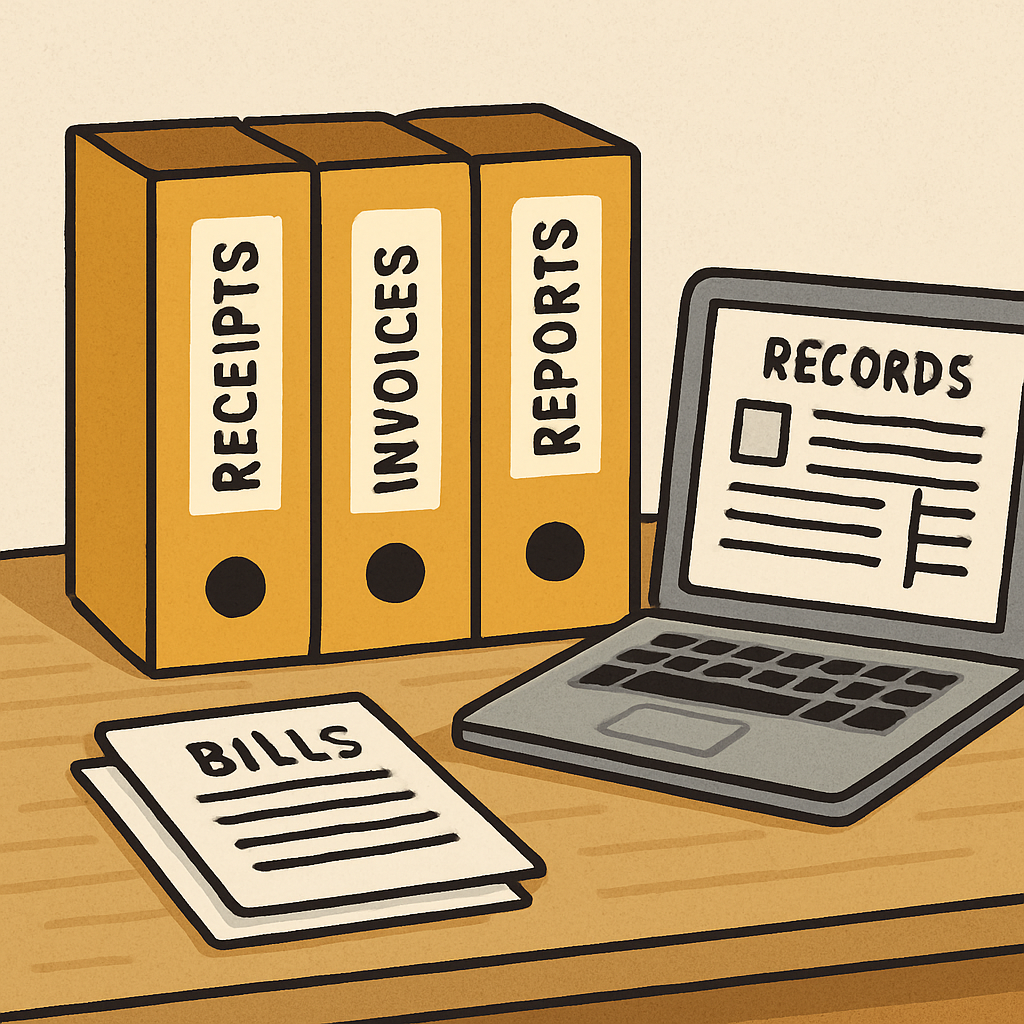
Efficient bookkeeping is the backbone of any successful business. It ensures accurate financial records and supports informed decision-making.
For small business owners, managing finances can be daunting. Yet, mastering bookkeeping is crucial for growth and stability.
With the right strategies, bookkeeping becomes less of a chore and more of a strategic advantage.
This guide will explore top strategies for efficient bookkeeping practices. From choosing the right software to leveraging technology, we cover it all.
Dive in to discover how efficient bookkeeping can transform your business operations and financial health.

Why Efficient Bookkeeping Matters for Small Businesses
Efficient bookkeeping is vital for small businesses. It provides a clear picture of financial health. This clarity helps in strategic planning and growth.
Small business bookkeeping involves tracking various financial transactions. Accurate records prevent errors and potential financial losses. Managing income and expenses effectively is crucial.
Efficient bookkeeping also supports tax compliance. It simplifies the process by organizing financial data. With everything in order, businesses can avoid penalties and ensure smooth operations.
Key advantages of efficient bookkeeping include:
- Improved cash flow management
- Simplified tax preparation and filing
- Enhanced financial decision-making
- Better budgeting and forecasting
In addition, efficient bookkeeping practices help maintain investor trust. Reliable financial records ensure credibility with lenders and investors. This trust opens doors for potential funding opportunities, fueling further growth.
Setting Up a Solid Bookkeeping Foundation
A solid foundation in bookkeeping is essential for success. Start by defining financial goals and objectives. This will guide your bookkeeping practices and strategies.
Next, establish a tailored chart of accounts. This organizes financial transactions into categories. A well-structured chart aids in accurate and efficient record-keeping.
Keeping business and personal finances separate is crucial. Use dedicated bank accounts and credit cards. This separation reduces confusion and simplifies tax preparation.
Consider these steps to build a strong bookkeeping foundation:
- Define clear financial goals
- Create a custom chart of accounts
- Use separate financial accounts for business
- Regularly update and review financial records
Consistent training and adherence to processes ensure accuracy. Staff should understand bookkeeping procedures well. This consistency reduces errors and enhances efficiency. A strong foundation paves the way for more advanced bookkeeping techniques, helping your business grow strategically.
Choosing the Right Bookkeeping Software
Selecting appropriate bookkeeping software is vital for small businesses. It streamlines processes, saves time, and reduces errors. The right software can transform your financial management.
When evaluating software options, consider your business needs. Think about features like invoicing, expense tracking, and reporting. Ease of use and integration with existing systems are also important.
Many software options offer trials or demos. Use these to test functionality and user experience. Here are key factors to consider in your decision:
- Budget and cost
- Ease of use
- Key features and tools
- Cloud-based access
- Customer support
Cloud-based software allows real-time financial data access. This facilitates better decision-making and collaboration. Prioritize software that adapts to your growing business needs, ensuring long-term usability and support. Making the right choice simplifies bookkeeping and enhances efficiency.
Essential Efficient Bookkeeping Tips and Techniques
For successful small business bookkeeping, efficiency is key. Implementing smart techniques can greatly enhance your practices. Here are some effective bookkeeping strategies to consider.
First, maintain up-to-date financial records. Regular updates prevent errors and improve decision-making. Categorize expenses correctly for accurate financial insights.
Creating a consistent invoicing process is also crucial. This ensures timely payments and boosts cash flow management. Consistency helps streamline collections and improves financial health.
To further enhance your practices, consider these tips:
- Separate personal and business finances.
- Use automated reminders for payments.
- Regularly back up financial data.
Another essential strategy involves setting up a tailored chart of accounts. This aids organized record-keeping, ensuring data is structured and accessible. A well-defined chart simplifies reporting and tax preparation.
Also, leverage technology to your advantage. Automated tools help reduce manual errors and save time. Regular training for you and your team on these tools increases accuracy.
By embracing these efficient bookkeeping tips, you set a foundation for better financial management. This can lead to improved profitability and smoother operations.
Streamlining Income and Expense Tracking
Efficient bookkeeping depends heavily on how you track income and expenses. Organizing these financial elements helps in clear reporting and analysis. Start by ensuring that all transactions are accurately recorded and categorized.
Implementing consistent tracking methods can simplify this process. Here’s a list of ways to streamline your tracking efforts:
- Use a dedicated business account for clarity.
- Regularly update and review transaction records.
- Employ bookkeeping software to automate tracking.
It’s beneficial to review your income and expenses on a weekly basis. Doing so allows you to identify spending patterns and adjust budgets accordingly. A systematic review helps in maintaining financial stability and forecasting.
Keeping digital copies of receipts further supports this process. Digital records reduce clutter and improve organization. Modern bookkeeping software often includes features for scanning and storing receipts efficiently.
Managing Accounts Receivable and Payable Effectively
Handling accounts receivable and payable can greatly impact cash flow. Efficient management ensures timely payments and collection. Start by setting clear terms for invoicing and payments.
Implement structured processes to track receivables and payables. Here are some methods:
- Regularly monitor outstanding invoices.
- Set automated reminders for due payments.
- Offer incentives for early payments.
Communication plays a crucial role in managing accounts effectively. Maintaining strong relationships with both customers and vendors can be beneficial. Clear communication reduces delays and misunderstandings.
Tracking payment patterns and identifying late payers promptly can also help. Take action by sending polite reminders and discussing payment plans if needed. Proactive engagement secures steady cash flow and maintains financial health.
Reconciling Bank Statements and Financial Records
Reconciling bank statements is crucial for accurate bookkeeping. It helps detect errors and prevent discrepancies between records. Regular reconciliation builds trust in financial reports.
To reconcile effectively, compare your records with bank statements monthly. Consider these steps to streamline reconciliation:
- Review all transactions for accuracy.
- Resolve any inconsistencies promptly.
- Document explanations for each discrepancy.
Regular reconciliation not only maintains record accuracy but also enhances decision-making. Catching errors early saves time and avoids future complications. Consistent practices in reconciliation bolster financial integrity and ensure smooth operations.
Leveraging Automation and Technology for Bookkeeping
Automation significantly optimizes bookkeeping processes. By leveraging technology, businesses can reduce manual errors and save time. Automated systems enhance accuracy and efficiency.
Choosing the right technology can transform financial management. Tools like cloud-based bookkeeping software allow real-time data access. Additionally, they help monitor financial status anytime, anywhere. Key benefits include:
- Automated transaction entry
- Real-time data synchronization
- Streamlined invoice processing
Technology empowers businesses to focus on growth rather than tedious tasks. Integrating advanced tools allows more strategic financial oversight. Ultimately, automating bookkeeping processes leads to comprehensive financial insights and better decision-making.
Maintaining Compliance and Preparing for Tax Season
Preparing for tax season is a crucial part of efficient bookkeeping. Proper compliance ensures businesses avoid penalties and financial discrepancies. Staying updated with tax regulations is essential.
An organized approach simplifies tax filing. Begin by separating business and personal finances. This separation makes it easier to track deductible expenses. Consider these practices:
- Keep detailed, accurate financial records
- Regularly review tax codes and regulations
- Use bookkeeping software for organized data
Maintaining compliance involves more than just paperwork. It requires understanding tax obligations to make informed decisions. Proactively preparing helps in effective tax planning, ensuring peace of mind during the tax season.
Regular Financial Reviews and Reporting
Regular financial reviews are vital for sound business operations. They provide insights into your financial health and help identify trends. Reviewing reports allows for informed strategic planning.
Consistent reporting aids in tracking financial goals and measuring progress. Create a schedule to ensure regular evaluations. Key steps include:
- Analyzing income and expense reports
- Reviewing balance sheets and cash flow statements
- Identifying areas for financial improvement
These reviews are not just for compliance. They empower you to make data-driven decisions, enhancing both efficiency and growth potential. Regular check-ins help maintain a clear financial trajectory.
When to Outsource Bookkeeping Tasks
Deciding to outsource bookkeeping can be strategic. It’s beneficial if your team lacks the needed expertise or time. Outsourcing allows you to focus on core business activities.
Consider outsourcing in these situations:
- Complex financial issues arise
- You’re experiencing rapid business growth
- Bookkeeping consumes too much of your day
By outsourcing, small businesses can gain professional insight and more efficient bookkeeping. Skilled experts ensure accuracy and compliance, offering peace of mind.
Building a Routine for Ongoing Bookkeeping Success
Establishing a regular bookkeeping routine simplifies your processes. Consistency helps prevent errors and keeps your books up-to-date. Designate specific times each week for bookkeeping tasks.
Incorporate these actions into your routine:
- Review and categorize recent transactions
- Update income and expense records
- Set reminders for upcoming bill payments
Such organization aids efficiency and creates clarity. Over time, a structured routine will improve financial management. This practice enables better tracking of financial progress and swift identification of discrepancies.
Conclusion: The Long-Term Benefits of Efficient Bookkeeping
Efficient bookkeeping delivers substantial rewards over time. Accurate financial records support informed decisions and strategic planning. They form a reliable foundation for business growth.
Maintaining efficient practices fosters financial discipline. This discipline aids in budgeting and forecasting, reducing monetary risks. It also helps identify cost-saving opportunities, boosting profitability.
Furthermore, efficient bookkeeping enhances credibility and trust among stakeholders. This, in turn, builds investor confidence and strengthens relationships with creditors. In the long run, these benefits contribute to a robust and sustainable business model.






Leave a Reply