

Underground Service Locating for NSW Construction Companies
Underground service locating for NSW construction companies is not a nice extra before excavation starts. It is a core risk control. Miss one buried cable, pipe, or conduit, and the cost can spread fast across safety, programme, and compliance.
For construction managers and site supervisors, the stakes are clear. An asset strike can stop work, damage trust, trigger emergency response, and create avoidable costs. It can also lead to environmental issues if a damaged line releases contaminated water, fuel, or slurry into the ground.
This guide explains:
- Why underground service locating matters on NSW projects
- How GPR and EML improve site visibility before digging
- How locating supports environmental controls and spill planning
- What NSW teams should consider for compliance and site performance
Why underground service locating matters so much
Most underground problems start before excavation begins. They start when teams rely on outdated plans, incomplete records, or assumptions about what sits below the surface.
That approach creates risk on almost every NSW construction site. Urban works, road upgrades, subdivisions, and utility corridors often contain a mix of known and unknown services.
When buried assets are not properly identified, the result can include:
- Cable and pipe strikes
- Work stoppages
- Emergency repairs
- Costly redesign
- Delayed trades
- Safety incidents
- Environmental contamination
- Compliance pressure
A single strike can affect more than one work area. It can also disrupt subcontractors, traffic staging, and downstream programme commitments.
What underground service locating actually does
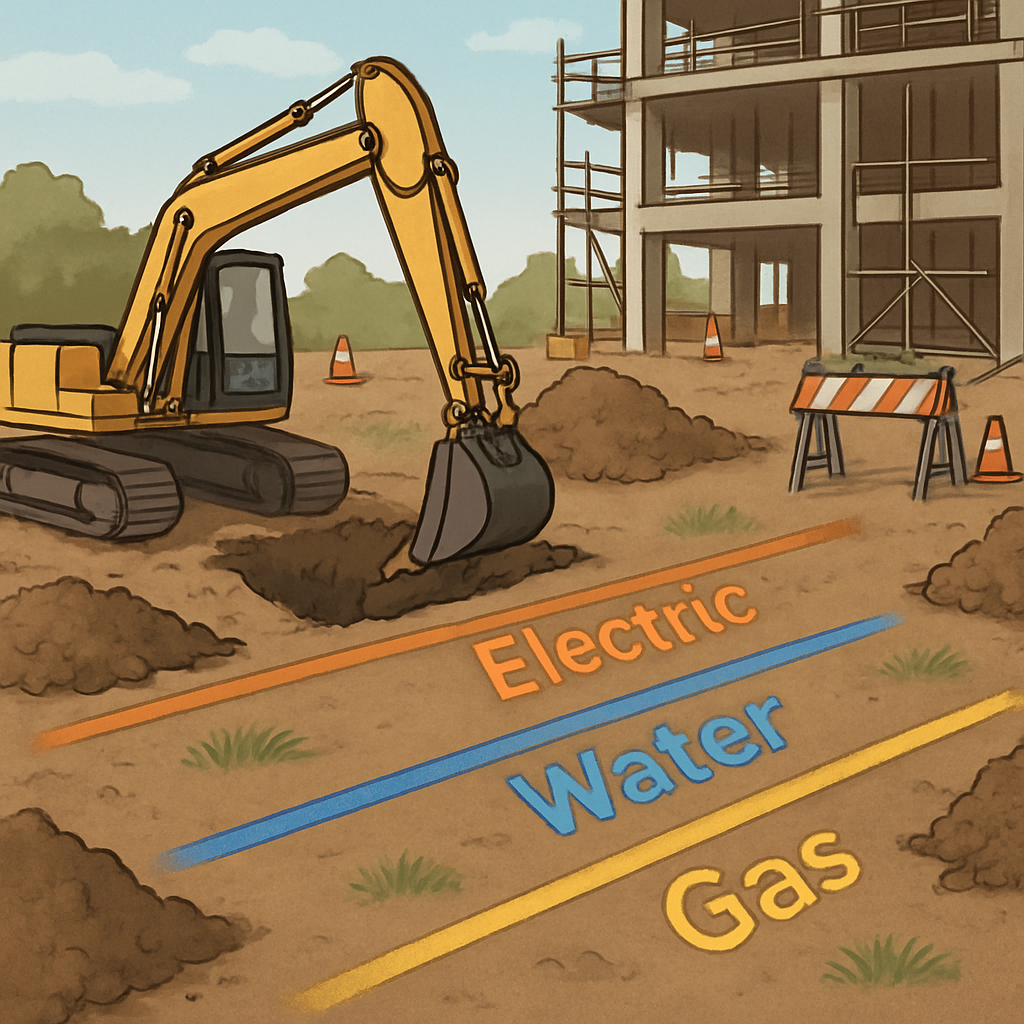
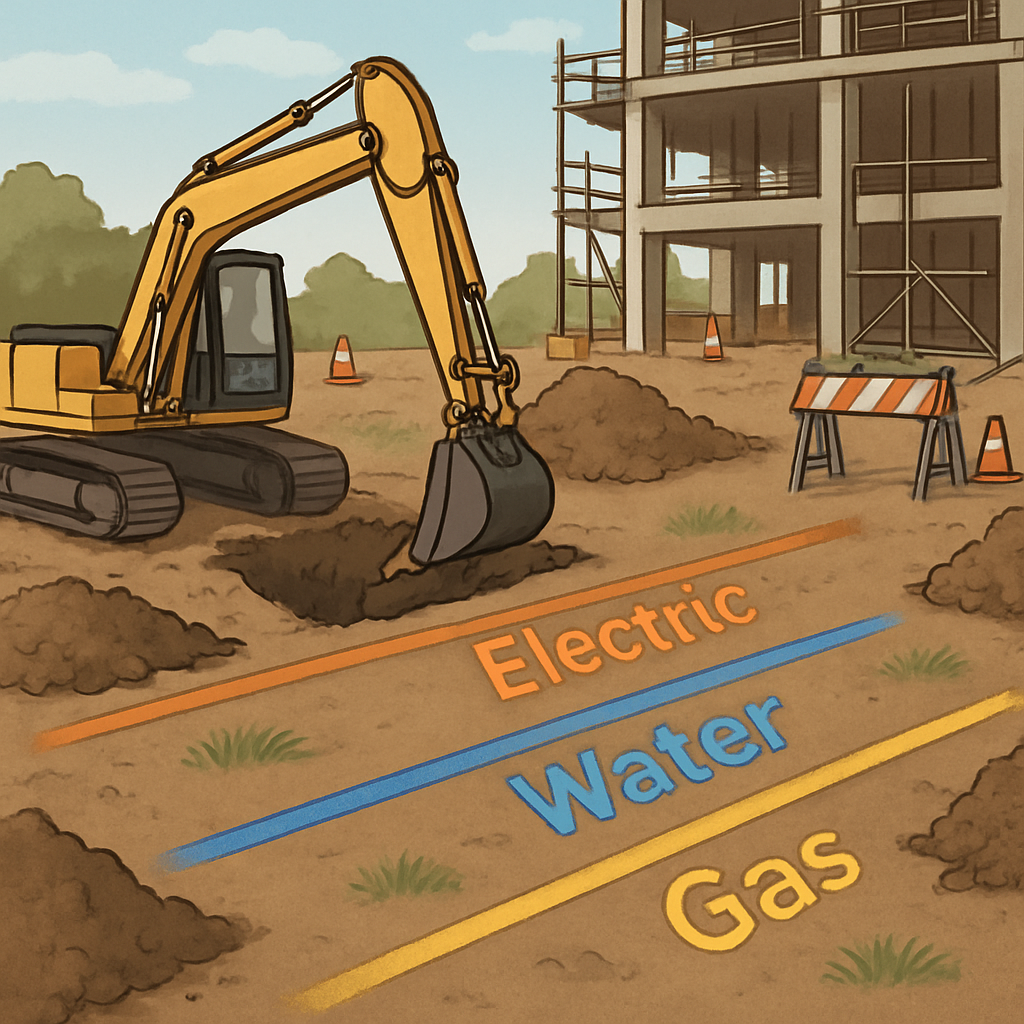
Underground service locating helps teams identify buried infrastructure before excavation, trenching, drilling, or potholing begins. It gives site leaders a clearer picture of what is below ground so they can plan with confidence.
That may include locating:
- Electrical cables
- Water mains
- Sewer lines
- Stormwater pipes
- Gas lines
- Communications conduits
- Legacy or undocumented services
Good locating does not rely on guesswork. It uses field-based detection methods to confirm where assets are likely to sit and how they run.
For NSW construction companies, that means fewer surprises once machines arrive on site.
Why professional locating beats relying on plans alone
Plans matter, but they are only part of the picture. Services move over time, records get missed, and older infrastructure is not always documented well.
Professional locating adds live site intelligence before the ground is opened. That makes planning more accurate and helps supervisors brief crews with better information.
If you rely only on drawings, you risk:
- Digging into undocumented assets
- Misjudging service depth
- Overlooking non-metallic infrastructure
- Creating rework during active construction
- Slowing progress while crews reassess the area
In short, professional locating reduces uncertainty. On a busy site, that alone has real value.
How GPR and EML technologies work
Two of the most important service locating tools are GPR and EML. They do different jobs, and the best results often come from using both together.
What is GPR?
Ground Penetrating Radar, or GPR, uses radar signals to detect buried objects and changes in subsurface material. It is especially useful when services are non-metallic or records are limited.
GPR can help identify:
- Non-metallic pipes
- Unknown buried objects
- Voids below ground
- Changes in subsurface layers
- Concrete features and reinforcement
This matters because many assets on NSW sites are not easily traced using one method alone.
What is EML?
Electromagnetic Locating, or EML, is used to trace conductive underground services. It is effective for identifying metallic pipes, power cables, and other conductive lines.
EML is often used for:
- Electrical services
- Metallic water lines
- Telecom lines
- Gas lines with conductive properties
- Tracer wires
It gives quick, targeted results where conductive assets are present and accessible.
Why GPR and EML work better together
Neither tool solves every underground challenge on its own. GPR helps detect what EML may miss, while EML helps confirm and trace conductive services quickly.
Using both methods together gives project teams:
- Better underground visibility
- More reliable service mapping
- Improved excavation planning
- Reduced strike risk
- Greater confidence before work starts
That layered approach is often the safest option for construction companies working in dense or changing NSW conditions.
How service locating protects projects from asset strikes
Asset strikes are expensive because the damage rarely stops at the point of impact. A damaged service can trigger shutdowns, repairs, delays, client pressure, and wider safety concerns.
Professional locating helps prevent those issues before excavation starts. It allows teams to mark out services, adjust methods, and protect high-risk zones.
That leads to practical site benefits such as:
- Safer trenching
- Better excavation sequencing
- Less reactive decision-making
- Fewer shutdowns
- Lower repair costs
- Reduced downtime for crews and plant
For site supervisors, this means fewer disruptions and better control of the daily programme.
How locating helps reduce project delays
Project delays often come from hidden issues, not visible ones. A missed underground service can stop a crew within minutes and force supervisors into reactive planning.
That delay may then affect:
- Plant hire costs
- Labour scheduling
- Traffic control
- Concrete or service installation timing
- Other subcontractors waiting to start
Early locating helps reduce that pressure. When teams know what sits below ground, they can stage work more cleanly and avoid last-minute redesigns.
A simple site example
Imagine a crew starts trenching based on an old drawing set. Halfway through the dig, they expose an undocumented communications conduit.
Now the site has a problem:
- Work stops
- The area must be reassessed
- Supervisors replan access
- The programme shifts
- Costs start building immediately
If professional locating had been completed first, the trench alignment could have been adjusted before excavation began.
That is the real value. Good locating prevents avoidable disruption before it reaches the field.
The financial cost of getting it wrong
For NSW construction firms, the cost of poor locating can grow well beyond a repair invoice. Asset strikes often create direct and indirect costs that keep building after the initial incident.
Common financial impacts include:
- Emergency repair bills
- Programme delays
- Idle labour and plant
- Extra traffic management
- Rework and redesign
- Insurance implications
- Possible financial penalties
- Damage to client confidence
Even a small service strike can turn into a large budget issue if it affects critical infrastructure or public services.
That is why service locating should be treated as a cost control measure, not just a technical step.
How locating supports environmental controls
This point is often overlooked. Underground service locating is not only about avoiding asset damage. It also supports better environmental performance on site.
A damaged buried asset can release more than water. It may release fuel, slurry, sediment, contaminated runoff, or other harmful material into the ground.
That can create:
- Soil contamination
- Drain contamination
- Runoff risk
- Wider site cleanup
- More waste handling
- Reporting obligations
Professional locating helps reduce those risks by limiting accidental damage before excavation starts.
Minimising soil contamination through better planning
Minimising soil contamination starts with reducing unnecessary disturbance. If crews know where services and drainage assets sit, they can avoid ruptures and excavate more precisely.
That supports cleaner work by helping teams:
- Avoid breaking contaminated lines
- Prevent mixing clean and impacted soil
- Reduce over-excavation
- Protect nearby drains and pits
- Limit spread during wet conditions
This is especially important on civil and infrastructure sites where runoff can move quickly across active work areas.
Why proactive spill management should link with locating
Proactive spill management is stronger when underground risks are understood early. If a buried asset strike could release product or contaminated water, then locating becomes part of spill prevention.
That gives construction teams a better basis for:
- Mapping high-risk areas
- Positioning spill kits
- Protecting stormwater points
- Planning isolation steps
- Escalating specialist support faster
When locating and environmental planning work together, site teams are better prepared before a problem starts.
NSW compliance: why the standards matter
NSW construction companies operate under real pressure to show safe, responsible site management. That includes excavation safety, environmental protection, and practical control of pollution risks.
Service locating helps support that effort by showing that underground risks were assessed before excavation began.
Relevant NSW and Australian guidance includes:
- NSW EPA expectations around pollution prevention and incident response
- Safe Work Australia guidance on excavation safety and workplace risk controls
These standards matter because regulators and clients expect evidence, not assumptions.
What compliance looks like in practice
Good compliance is not just about having paperwork on file. It means your site can show practical steps were taken to reduce risk.
That may include:
- Reviewing available service information
- Using professional locating before excavation
- Recording identified underground risks
- Briefing crews on service locations
- Linking excavation planning with environmental controls
- Keeping clear incident and response records
If something goes wrong, these steps help show the site acted responsibly from the start.
Common mistakes NSW construction teams should avoid
Many underground incidents come from simple gaps in planning rather than unusual site conditions. That is why prevention often comes down to discipline.
Watch for these common mistakes:
- Relying only on old drawings
- Using one locating method where two are needed
- Starting excavation before verification
- Ignoring non-metallic service risk
- Separating locating from spill planning
- Failing to update crews on marked services
- Treating locating as a formality instead of a control measure
These issues are common, but they are also avoidable.
What construction managers and site supervisors should do next
If you want better site performance, start below ground. Underground visibility gives you stronger control over safety, programme, cost, and environmental risk.
A practical next-step checklist looks like this:
- Review all available service records early
- Book professional locating before excavation starts
- Use GPR and EML where site conditions require both
- Mark and verify high-risk areas clearly
- Link locating outcomes to environmental controls
- Prepare spill response around identified underground risks
- Brief site crews before work begins
These steps are simple, but they make a major difference once work is underway.
Final thoughts
Underground service locating for NSW construction companies is one of the smartest ways to reduce avoidable project risk. It helps protect buried assets, prevent delays, control costs, and support safer excavation across complex sites.
When GPR and EML are used properly, teams get a clearer picture of the ground before digging begins. That also supports minimising soil contamination, proactive spill management, and stronger compliance with NSW EPA and Safe Work Australia expectations.
If you manage site risk, do not wait until excavation starts. Get clarity below ground first, then build from there.




Leave a Reply