


Understanding the Mechanics of Vacuum Excavation
Vacuum excavation is revolutionizing the way we approach digging. This modern technique offers a safer, more precise alternative to traditional methods.
By using high-pressure air or water, it breaks up soil without damaging underground utilities. The loosened soil is then removed by a powerful vacuum system.
This method is particularly useful for underground utility locating. It minimizes the risk of damaging existing infrastructure.
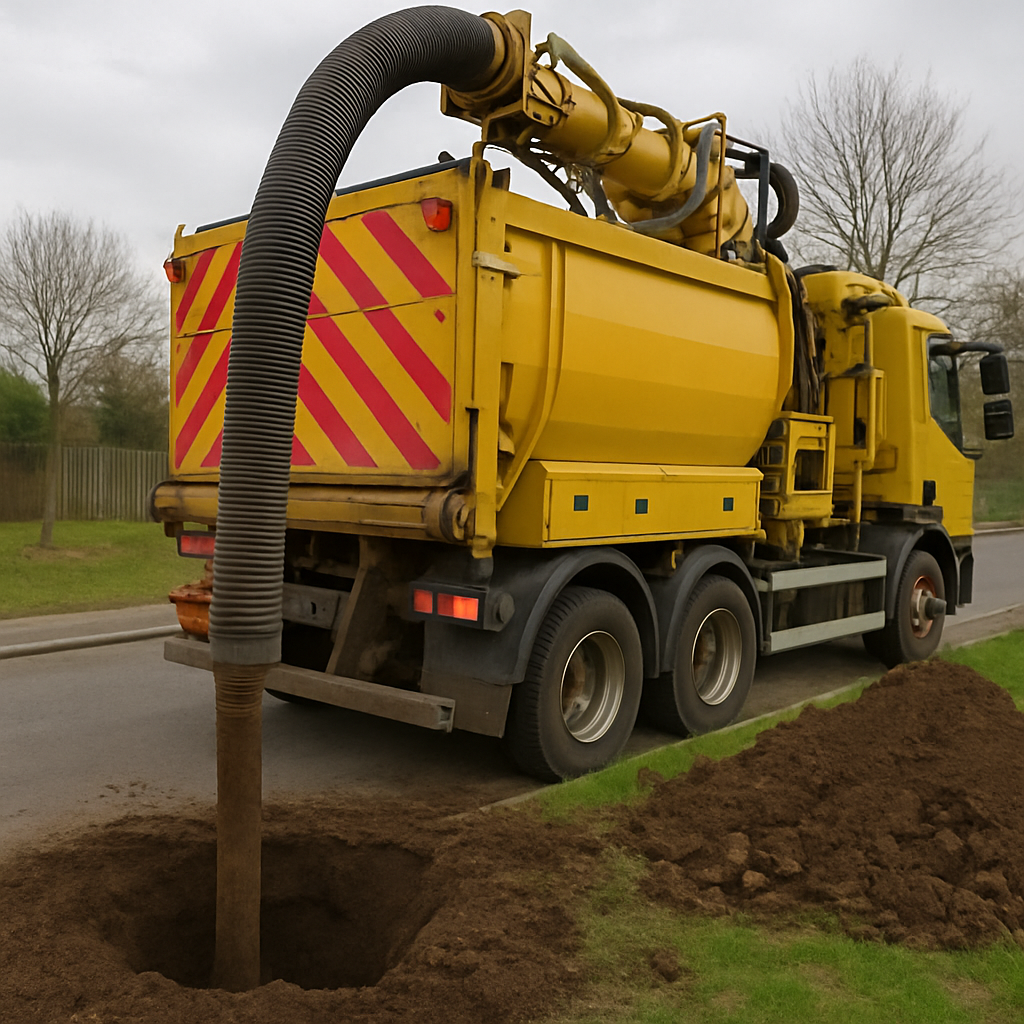
Vacuum excavation equipment, like vacuum trucks and hydro lances, plays a crucial role in this process. These tools ensure efficiency and precision in various applications.
Understanding how vacuum excavation works can benefit construction professionals and utility workers. It offers insights into safer, more effective excavation practices.
What Is Vacuum Excavation?
Vacuum excavation is a groundbreaking method in the field of construction and utility work. It utilizes high-pressure air or water to safely dislodge soil.
This method provides a non-destructive alternative to mechanical digging. It greatly reduces the risk of damaging buried utilities.
Key elements of vacuum excavation include:
- A vacuum system to remove debris
- High-pressure air or water to break up soil
- Specialized nozzles and hoses for precision
This approach has become integral for tasks requiring caution and precision. It serves as an essential tool for tasks like underground utility locating and even archaeological digs.
How Vacuum Excavation Works: Step-by-Step Process
Understanding how vacuum excavation works is crucial for safe operation. The process begins with preparing the site, ensuring it is safe and accessible.
Next, operators choose between using air or water based on soil conditions. High-pressure air or a hydro lance breaks up the soil without causing damage.
Once the soil is loosened, the vacuum system kicks in. It suctions the debris into a large holding tank on the vacuum truck.
The process of vacuum excavation involves several key steps:
- Site preparation and safety assessment
- Selection of air or water for soil loosening
- Soil displacement using high-pressure systems
- Vacuuming of loose soil into holding tanks
The excavation is both fast and controlled. This ensures that all underground utilities remain intact and unharmed. This precision is vital for avoiding costly repairs and project delays.
Types of Vacuum Excavation: Air vs. Hydro
Vacuum excavation methods vary based on the medium used to break up the soil. The two main types are air excavation and hydro excavation. Each has distinct advantages and is suited to different conditions.
Air excavation, sometimes called dry vacuum excavation, uses compressed air to loosen the soil. It’s excellent for dry and sandy conditions where water isn’t required.
Hydro excavation relies on water to liquefy the soil. This method is effective for heavy, clay-rich soils where air may be less efficient.
Key Differences:
- Air Excavation: Ideal for dry soils, reduces water use
- Hydro Excavation: Works well in wet, dense soils
Choosing the right method can affect precision and project efficiency.
Key Equipment Used in Vacuum Excavation
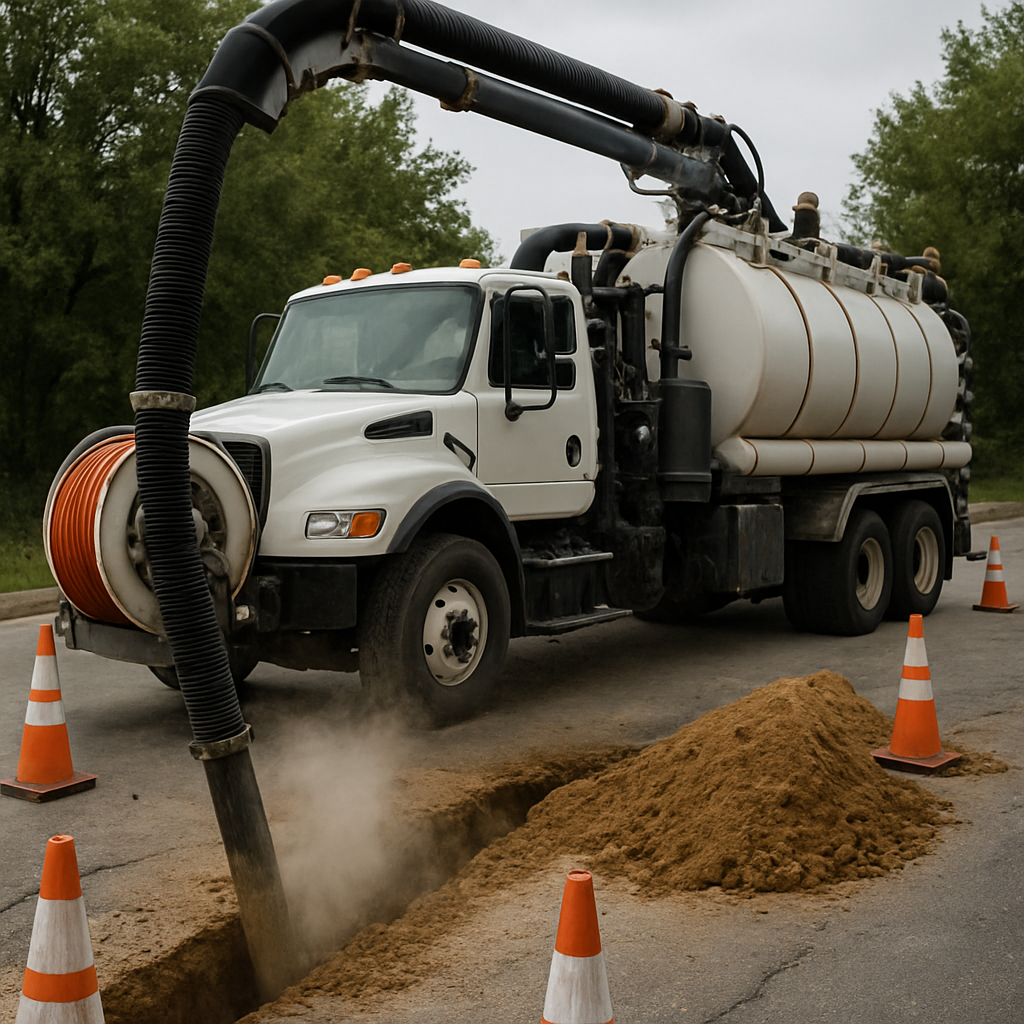
The success of vacuum excavation depends largely on the equipment employed. The most crucial equipment includes vacuum trucks, which serve as the workhorses of the operation. These trucks are equipped with powerful vacuums and tanks to hold displaced soil.
Another essential component is the air or hydro lance, used to penetrate and break up the soil. This equipment requires precision handling to avoid damage to underground utilities.
Additional equipment might include debris tanks, where excavated material is stored temporarily. Each piece of machinery plays a vital role in ensuring the process is safe, efficient, and non-destructive.
Key Equipment:
- Vacuum Truck
- Air or Hydro Lance
- Debris Tank
Having the right tools can substantially increase the success of your excavation project.
Applications: Underground Utility Locating and Beyond
Vacuum excavation shines in underground utility locating. It precisely exposes utilities like gas, water, and electrical lines with minimal disturbance. This precision reduces the risk of damaging existing infrastructures, making it indispensable for construction projects.
Beyond utilities, vacuum excavation has a myriad of applications. It assists in archaeological digs where careful soil removal is crucial. Municipalities use it for debris removal and in excavation tasks where traditional methods fall short.
Such versatility makes vacuum excavation a preferred choice in various sectors. It’s not only effective but is also a safer, cleaner, and more efficient alternative to traditional digging methods.
Applications include:
- Underground utility locating
- Archaeological digs
- Debris removal
Advantages of Vacuum Excavation
Vacuum excavation offers numerous benefits over traditional methods. Its non-destructive nature ensures underground utilities remain intact. This precision minimizes costly repairs and service disruptions, saving both time and money.
The method’s efficiency stands out in time-sensitive projects. Rapid soil removal means tasks are completed faster and with less labor. This speed doesn’t compromise safety, as vacuum excavation complies with strict safety regulations.
Environmental impact is significantly reduced with this technique. Less soil disturbance means preservation of the surrounding environment. Furthermore, it supports sustainable construction practices by minimizing waste and conserving resources.
Advantages include:
- Non-destructive and precise
- Rapid completion of projects
- Environmentally friendly
Safety and Environmental Benefits
Vacuum excavation emphasizes safety on job sites. By minimizing the need for heavy machinery, it reduces the risk of accidents and injuries. Operators can maintain a safer distance from potential hazards, enhancing overall site security.
Environmentally, this method is a standout. With reduced disruption to the soil and surrounding areas, it preserves natural landscapes. Additionally, vacuum excavation minimizes the use of chemicals, supporting eco-friendly construction practices.
Benefits include:
- Enhanced worker safety
- Minimal environmental disruption
- Reduced chemical usage
Limitations and Considerations
While vacuum excavation is highly effective, it does have some limitations. The method can be less suitable for extremely rocky terrains. In such cases, traditional excavation might be more efficient and cost-effective.
Considerations include:
- Suitability for specific soil types
- Equipment availability and cost
- Operator training requirements
The Future of Vacuum Excavation Technology
The future of vacuum excavation technology looks promising with continuous advancements. Innovations are focused on enhancing efficiency and reducing operational costs. Improved equipment features and smarter processes are expected to streamline operations.
Emerging technologies may lead to even safer practices. These enhancements could further expand the range of applications for vacuum excavation. As technology progresses, more industries might adopt these methods.
Conclusion
Vacuum excavation is revolutionizing how we approach subsurface projects. Its precision and safety make it invaluable for modern construction and utility tasks. This method not only protects infrastructure but also the environment.
As industries adopt this technology, benefits are becoming more apparent. Vacuum excavation offers a compelling alternative to traditional methods, marking a significant advancement in excavation techniques.




Leave a Reply