

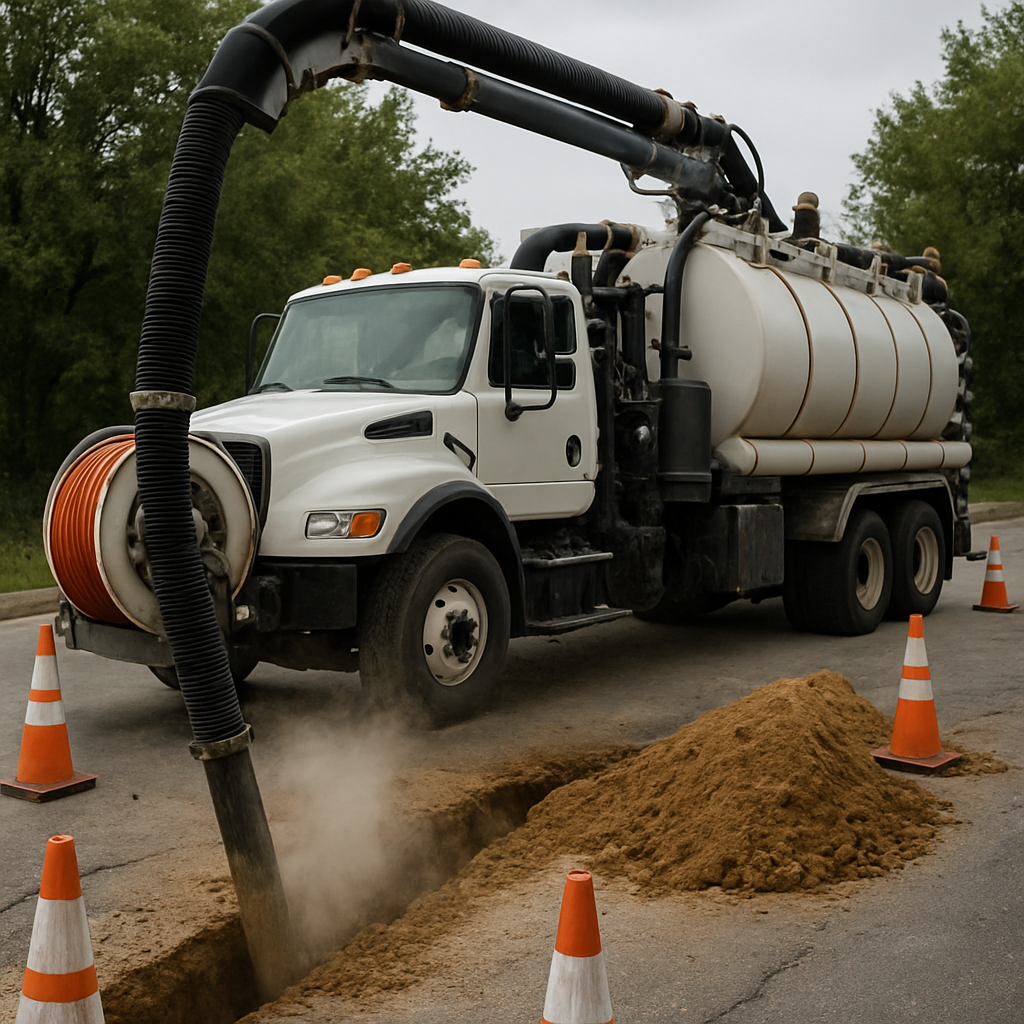
If you run jobs anywhere near underground services, you know the riskiest moment of the day. It’s the few seconds before steel goes into the ground. Whatever the plans say, you won’t really know what’s down there until something gets exposed or something gets hit.
I’ve spent a good chunk of my working life on vac trucks, mostly potholing for civil crews, telco contractors and councils around south-east Queensland. This one’s for site supervisors, project managers and anyone at an asset owner who has to sign off on how ground gets opened up. I’ll cover where hydro excavation safety actually comes from, where it falls short, and what you should ask before you book a truck.
What hydro excavation is, in plain terms
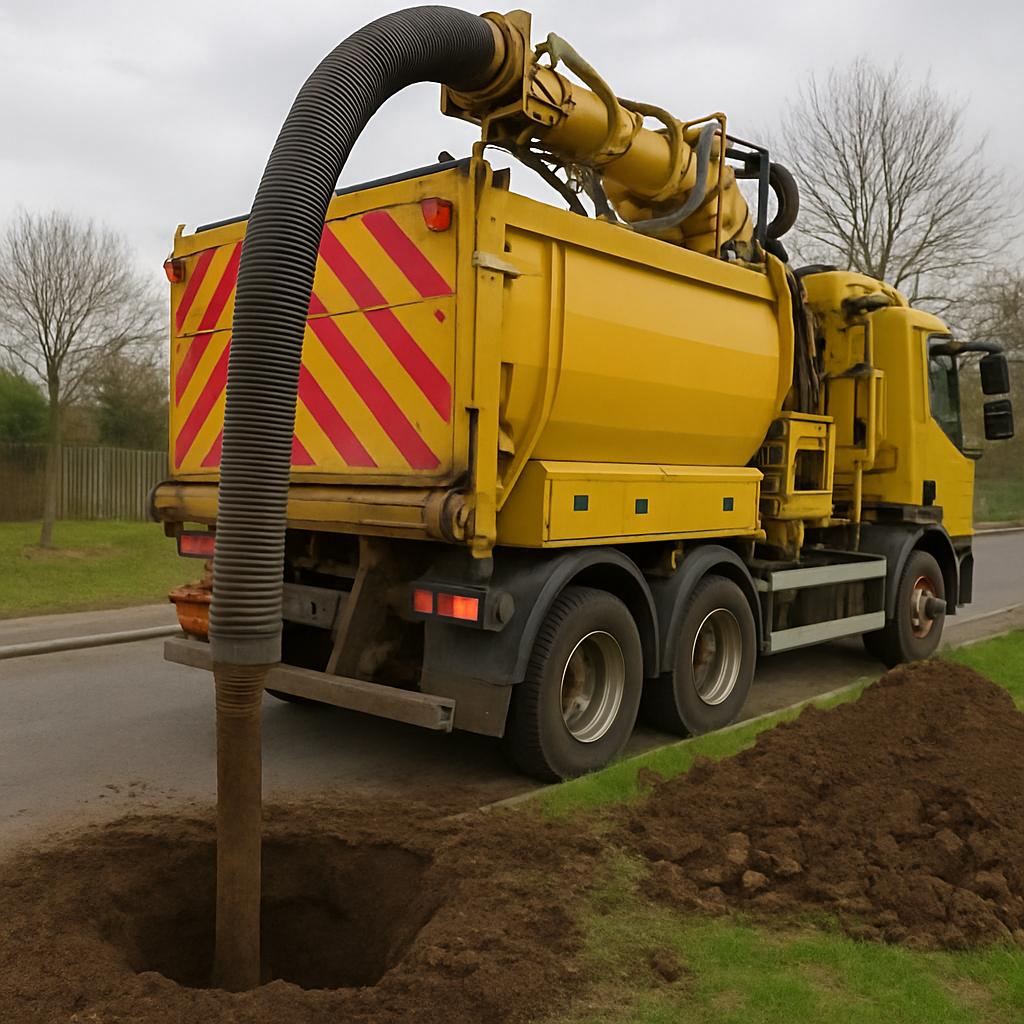
Hydro excavation is digging with water and suction. You hold a lance that pushes out pressurised water, usually somewhere between 2,000 and 3,000 psi depending on the ground. The water turns the soil into slurry, and a big vacuum on the truck pulls it up a hose into a debris tank.
You’ll also hear it called hydro vacuum excavation, hydrovac or just “the vac truck”. It’s all the same job. When the tank’s full, the slurry goes to a licensed disposal facility, not down the nearest stormwater drain.
That’s the whole process. It isn’t complicated, but it changes how safe a dig is.
Why water is safer than steel
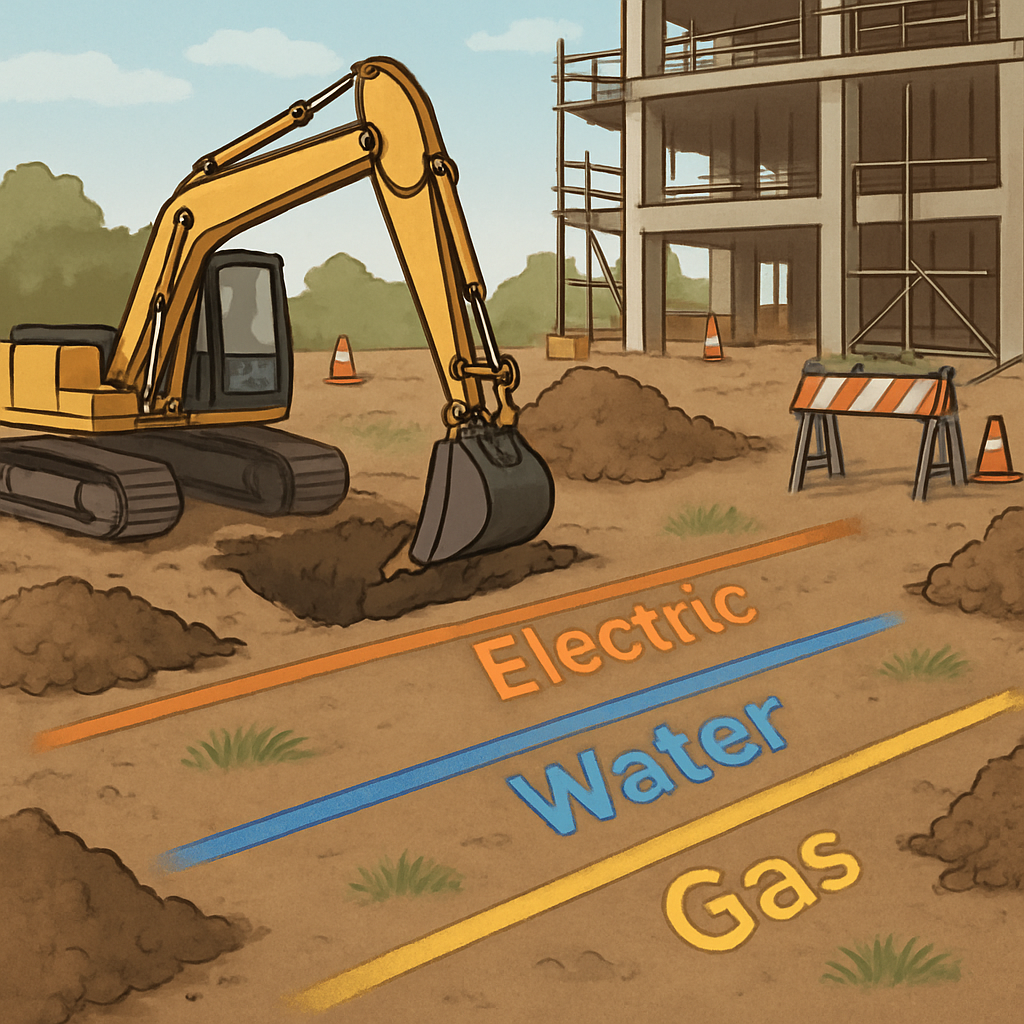
A bucket, an auger, a crowbar or a mattock can’t tell the difference between clay and a fibre conduit. It finds a service by hitting it. By then the damage is done, whether that’s a cut cable, a gas leak or a crew standing in the street waiting for the network operator.
Water works differently. It breaks up soil easily, but it mostly washes off a PVC conduit or a poly gas line. So instead of finding the service with a bucket tooth, you see the top of it first. It shows up orange, yellow or grey with mud running off it.
That’s the main reason hydro excavation is safer around underground services. It isn’t perfect, and you can still damage things with a lance. But next to steel, there’s no real contest.
What NDD looks like on a real job
NDD stands for non-destructive digging. In practice, it mostly means potholing. You dig a small hole straight down to confirm exactly where a service sits and how deep it is before anyone trenches or bores near it.
Here’s why that matters. Before You Dig Australia plans show you what the asset owner thinks is in the ground. Some of those records are decades old. Services get moved, abandoned or put in around obstacles that are long gone, and the drawings never get updated.
A good locator with decent gear will pick up most metallic services and anything with a tracer wire. Plastic water mains, old clay sewer and “dead” cables still slip through. I’ve exposed an abandoned cable that was carrying live data, and I’ve found services that weren’t on any plan at all.
Potholing turns a guess into a measurement. You get something like 640mm to the top of the conduit and 150mm east of the paint. You mark it, and the excavator operator knows exactly where to slow down. That’s why more asset owners now insist on NDD or hand digging inside their clearance zones.
The hydro excavation safety benefits you notice on the ground
Avoiding strikes gets most of the attention, but crews notice plenty of other things in the first week.
Less manual handling. Hand digging sounds like the careful option until you’ve watched two blokes in a narrow trench swinging a bar into compacted road base in January. Backs and shoulders cop it, fingers get crushed, and tired people swing harder, not softer. With a vac truck, one operator stands upright on the lance while the vacuum does the lifting.
Smaller, cleaner holes. A pothole is often about the size of a dinner plate, with straight walls. There’s less open ground for someone to step into and less chance of the sides slumping.
No spoil heaps. The dirt goes straight into the tank. You won’t have a pile of road base on the footpath for a pedestrian with a pram to work around.
Fewer machines near people. You can often park the truck well up the road and run the hose in. That means no excavator tracking across the footpath and no tipper reversing through a crowd.
None of that makes headlines, but it adds up to fewer incident reports by the end of a project.
Where it works best: tight sites and live sites
Got a job with no room to move? This is where hydro vacuum excavation earns its keep.
On a CBD footpath job, you might have a café on one side, a bus stop on the other and a pit in the middle. A mini excavator won’t fit without shutting half the street. A vac truck can sit 30 to 40 metres away while the hose does the work. You end up with a smaller traffic management setup and less disruption for everyone around you.
Live sites are the other big one. Think substations, rail corridors, hospitals, service stations and plants during a shutdown. On those sites, a strike doesn’t just mean a repair bill. It can stop trains, cut power to a ward or start a fire. Hydrovac lets you expose high-voltage cables so the electrical crew can see exactly what they’re working beside.
It’s also handy around protected trees, because you can clear soil from roots without tearing them out. And on residential jobs, if the side gate is 800mm wide, that’s fine. The hose fits.
What hydro vacuum excavation doesn’t solve
Some companies sell hydrovac as if turning up with the truck makes the site safe. It doesn’t. Here’s what still needs managing:
- The lance itself. That pressure can go through a boot and inject water into your foot. That’s a hospital job, and it gets serious fast if it isn’t treated.
- Damage to services. Hold the wrong nozzle too close to old cable sheathing or thin fibre duct for too long and you’ll mark it. You need the right tip and the right pressure, and you need to keep it moving.
- The truck. Booms and overhead powerlines don’t mix, and reversing on a tight site still needs a spotter every time.
- Washouts. Too much water near a slab or footing can undermine it.
- Open holes. Bunting around a 1.5-metre-deep pothole overnight isn’t a control. Plate it or backfill it.
- Locating. Hydrovac confirms what’s there. You still need a proper locate first.
Treat hydro excavation as one strong control in your safety plan, not the whole plan.
Operator experience still matters most
You can hire the newest truck in the state and still get a poor result. The person holding the lance is the real safety control.
An experienced operator reads the ground as it comes up. When the soil turns to clean yellow sand, they ease off, because that’s often bedding sand around a service. In stubborn clay, they switch to heated water rather than cranking the pressure. They know what a mud-caked fibre duct looks like, and they’ll stop to check instead of pushing on because someone wants to start trenching after lunch.
They’ll also put the lance down and ring the supervisor when something doesn’t add up. That call might cost you an hour. Skipping it can cost you a lot more.
When you’re comparing quotes, ask who’ll actually be on the truck and how long they’ve been doing it. Ask what pressure they run near fibre and what they do when they find an unmarked service. If the answers are vague, the cheaper hourly rate isn’t much of a saving.
The short version
Hydro excavation improves safety standards because you see services before anything hard touches them. It cuts down on manual handling, keeps sites smaller and tidier, and works in places machines can’t reach. It still needs a proper locate, sensible traffic control, covered holes and an operator who knows when to stop.
Before your next job near services, lay the plans beside the locate marks and find where they disagree. Pothole those spots first. An afternoon of vac truck hire is cheap compared with a gas evacuation and a street full of fire trucks.










Leave a Reply