

Bare dirt is a headache. You’ve probably seen it around your place or on a job site — patchy soil that turns to dust in the dry, then washes away the second a summer storm rolls in. Seeds blow off, mud runs everywhere, and nothing seems to grow the way you’d hoped. Sound familiar?
If you’re in Brisbane or anywhere across South East Queensland, you already know how tough our weather can be on soil. One week it’s dry and cracking. The next, a big storm dumps a month’s worth of rain in an afternoon. That mix makes it really hard to get grass or ground cover growing before the next downpour arrives.
Hydromulching Area Calculator
Hydromulching Area Calculator
Calculate the approximate area of a hydromulching project in square metres and hectares.
That’s where hydromulching comes in. This guide walks you through exactly what hydromulching is good for. We’ll cover the projects it suits best, from small home lawns to huge land restoration jobs. We’ll also look at how our local conditions shape when it’s the right choice. By the end, you’ll know whether hydromulching fits your project — no sales pitch, just straight info.
Hydromulching Brisbane Projects: Application Table
| Project type | Typical hydromulching purpose | Site characteristics | Potential benefit |
|---|---|---|---|
| Construction sites | Establish vegetation on disturbed soil | Bare or recently graded ground | Faster vegetation establishment |
| Roadside works | Stabilise and revegetate exposed areas | Slopes, batters and verges | Helps protect exposed soil |
| Residential developments | Establish grass or vegetation | Newly prepared lots and landscaped areas | More consistent coverage |
| Commercial developments | Landscape and revegetate large areas | Large open sites | Efficient application over broad areas |
| Erosion-control projects | Protect exposed soil while vegetation establishes | Slopes and erosion-prone areas | Supports soil-surface protection |
| Revegetation projects | Establish selected vegetation | Disturbed or rehabilitated land | Helps restore vegetation cover |
| Parks and open spaces | Establish grass or vegetation | Large landscaped areas | Efficient coverage |
| Civil infrastructure | Re-establish vegetation after works | Disturbed construction corridors | Supports site rehabilitation |
What Is Hydromulching, Quickly
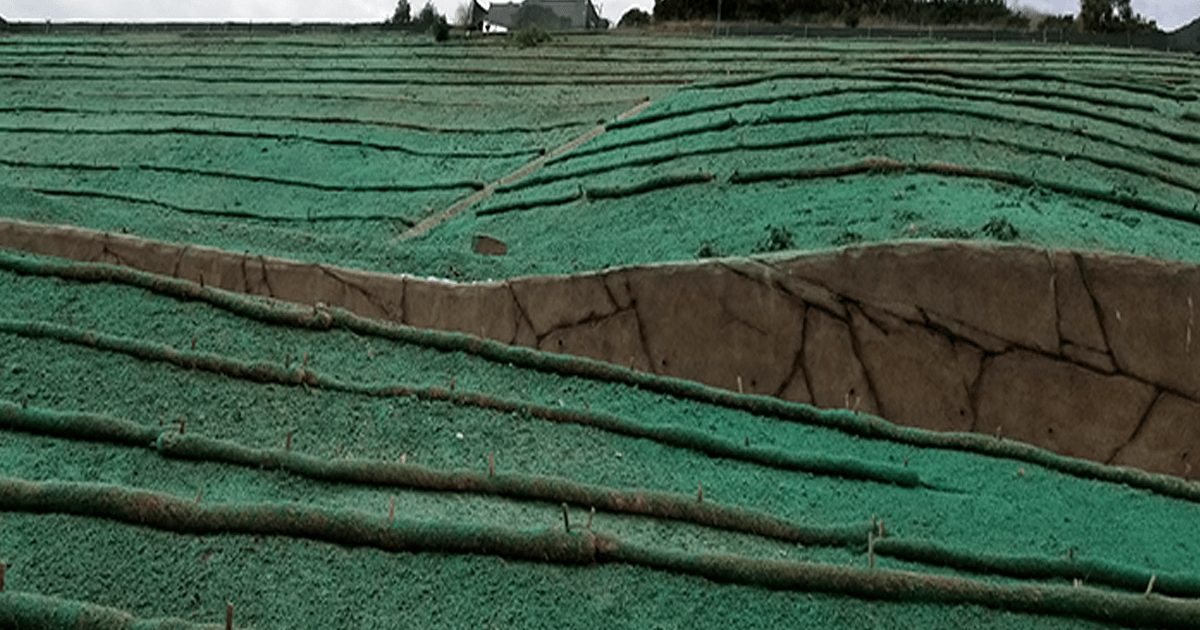
Let’s keep this simple. Hydromulching is a spray-on mix of seed, mulch fibre, fertiliser, water, and a sticky binder called tackifier. It gets blasted onto the ground through a hose from a big tank.
The mulch fibre holds moisture around the seeds like a cosy blanket. The tackifier glues everything to the soil so it doesn’t wash or blow away. That means seeds get a much better chance to sprout, even on tricky ground. Pretty clever, right?
Now, onto the fun part — where it actually works best.
Residential Lawns and New Home Builds
Brand new home? Chances are your yard is a sea of bare, compacted dirt once the builders pack up. Getting a lawn started there can feel impossible, especially with clay soils that bake hard in the sun.
Hydromulching suits these blocks really well. It covers a whole yard fast and gives seeds an even start across the whole area. No patchy bits, no bald spots — just consistent coverage.
Here’s a fictional example to picture it. Imagine a family moving into a new estate out at Ripley. Their backyard is dusty clay, and the kids track mud through the house every time it rains. They get their yard hydromulched in early autumn. The mulch keeps the seeds moist through the dry weeks, and by the time the next storms hit, a young lawn is already holding the soil together. Dust gone, mud gone, happy kids!
It’s a budget-friendly way to green up a decent-sized yard without laying expensive turf across the entire block.
Hydromulching vs Other Vegetation Establishment Methods
| Method | Large areas | Slopes | Application speed | Soil coverage | Typical consideration |
|---|---|---|---|---|---|
| Hydromulching | ✓ | ✓ | High | High | Suitable where sprayed application is useful |
| Traditional seeding | ✓ | Limited to moderate | Moderate | Lower initially | May require more surface preparation and follow-up |
| Turf | Moderate | Site dependent | High | Immediate | Higher material and installation requirements |
| Hand seeding | Limited | Limited | Low | Variable | Better suited to smaller areas |
| Spraying seed/mulch systems | ✓ | ✓ | High | High | Equipment and material selection are important |
Acreage Blocks and Rural Properties
Got a big block out west or in the hills? Turf can cost a fortune when you’re covering hectares instead of a small backyard. Hand-seeding that much ground is slow and uneven, too.
Hydromulching shines on large open spaces. The spray reaches far, covers quickly, and gives you even growth across paddocks and open areas.
Picture a hypothetical hobby farm near Samford. The owners want ground cover across a big cleared patch to stop dust and keep weeds down. Hydromulching lets them treat the whole area in a day or two, rather than spending weeks scattering seed by hand and hoping it takes.
Steep Embankments and Slopes
This is one of hydromulching’s real strong points. Steep ground is a nightmare for growing anything. Seeds roll off, water races down, and heavy rain carves ugly gullies into the slope.
Because the tackifier sticks everything in place, hydromulch clings to steep spots where loose seed would simply wash away. It’s a top choice for hilly sites, and we’ve got plenty of those around Brisbane.
Think about a made-up scenario on a sloping block up in the Ferny Hills area. A homeowner has a steep embankment behind their house that keeps eroding every wet season. Loose topsoil slides down toward the fence line after each storm. A hydromulch treatment locks the surface in place while grass roots grow down and grip the soil. Over a few months, that slope goes from crumbling to stable.
Roadside Batters and Civil Works
Ever driven along a new road cutting and noticed the neat green slopes on either side? That’s often hydromulching at work.
Road batters — those angled slopes beside highways and cuttings — need fast, reliable cover to stop erosion. Civil works like drainage channels, dam walls, and construction sites all deal with big areas of exposed earth. When the wet season arrives, all that loose soil can end up in creeks and stormwater drains.
Hydromulching gets these areas covered quickly and holds the surface steady while plants establish. For crews racing against Queensland’s storm season, that speed is a huge help.
Commercial Developments
New shopping centres, business parks, and housing estates create loads of disturbed, bare ground. Councils often want that ground stabilised and greened up fast.
Hydromulching handles large commercial sites well because it’s quick and covers wide areas evenly. Developers can green up open space, verges, and detention basins without the massive cost of turfing every square metre.
Imagine a fictional industrial estate going up near the Brisbane River. The site has huge exposed batters sloping toward the water. Nobody wants soil running into the river during a downpour. Hydromulching those slopes early keeps sediment out of the waterway and ticks the erosion control boxes at the same time.
Parks, Schools, and Public Spaces
Councils and schools love a low-fuss way to keep grounds green and safe. Sports fields, park lawns, playground surrounds, and school ovals all benefit from even, healthy grass cover.
Hydromulching helps establish these spaces across big areas without breaking the budget. It also cuts down dust, which is great news for kids running around at lunchtime.
Here’s a made-up example. A primary school on the outskirts of Ipswich has a dusty, worn oval. In dry spells it’s all dirt; in the wet it’s a mud pit. The school hydromulches the oval during a cooler, wetter stretch of the year. The mulch holds moisture, the seed takes evenly, and before long the kids have a proper grassy field to play on.
Large-Scale Land Restoration
Sometimes land needs healing. Old mine sites, cleared bushland, burnt areas, and quarries all need help getting plants growing again.
Hydromulching works brilliantly for restoration because you can mix in native seed blends suited to local conditions. That helps bring back plants that belong in our landscape and support local wildlife.
For big rehabilitation projects across Queensland, this spray-on method covers rough, hard-to-reach ground that machines and hand-planting struggle with. It’s a practical way to kick-start recovery over huge areas.
Why Brisbane’s Conditions Matter So Much
Our climate is a big reason hydromulching suits this region so well. Let’s break it down.
Summer storms and intense rain. Brisbane storms don’t muck around. A sudden burst can strip bare soil in minutes. The tackifier and mulch layer help hold the ground together when those downpours hit.
Dry spells. Between storms, we can go weeks with barely a drop. The mulch fibre traps moisture around the seeds, giving them a fighting chance through the dry patches.
Humidity. Our warm, sticky air actually helps seeds germinate faster once they’ve got moisture. Hydromulching makes the most of that.
Clay soils. Loads of Brisbane blocks sit on heavy clay that bakes hard and repels water. The mulch layer softens that harsh surface and keeps things moist enough for roots to push through.
Erosion risk near waterways. With the Brisbane River and plenty of creeks winding through the region, keeping soil out of the water really matters. Hydromulching locks sediment in place before it can wash away.
Questions to Ask Before a Brisbane Hydromulching Project
| Question | Why it matters |
|---|---|
| How large is the area? | Determines project scale |
| Is the ground already prepared? | Preparation may be needed |
| Is the site sloped? | Changes application considerations |
| Is erosion already occurring? | May require additional erosion-control planning |
| What vegetation is required? | Determines seed selection |
| How quickly does vegetation need to establish? | Helps determine project planning |
| Is there reliable water available? | Important during establishment |
| Can application equipment access the site? | Affects logistics |
| What happens to the area after application? | Helps plan ongoing maintenance |
| Are there environmental requirements? | Relevant to construction and rehabilitation projects |
Is Hydromulching Right for Your Project?
Let’s pull it together. Hydromulching tends to be a great fit when you’ve got:
- A large or medium area to cover
- Bare, disturbed, or compacted soil
- Steep slopes or embankments
- A need to stop erosion before storm season
- A tighter budget than full turfing allows
- Land that needs restoring with native species
It’s less suited to tiny courtyard spaces or jobs where you need an instant, ready-to-walk-on lawn today. For those, turf might make more sense.
The good news? Whether you’re a homeowner staring at a muddy new backyard, a builder racing the wet season, or a council caring for a park, there’s a strong chance hydromulching can help. It’s fast, it’s kind to your budget, and it works beautifully with the wild, wonderful weather we get here in South East Queensland.
Now you know exactly what it’s good for — so you can make the call that’s right for your patch of ground.




Leave a Reply