

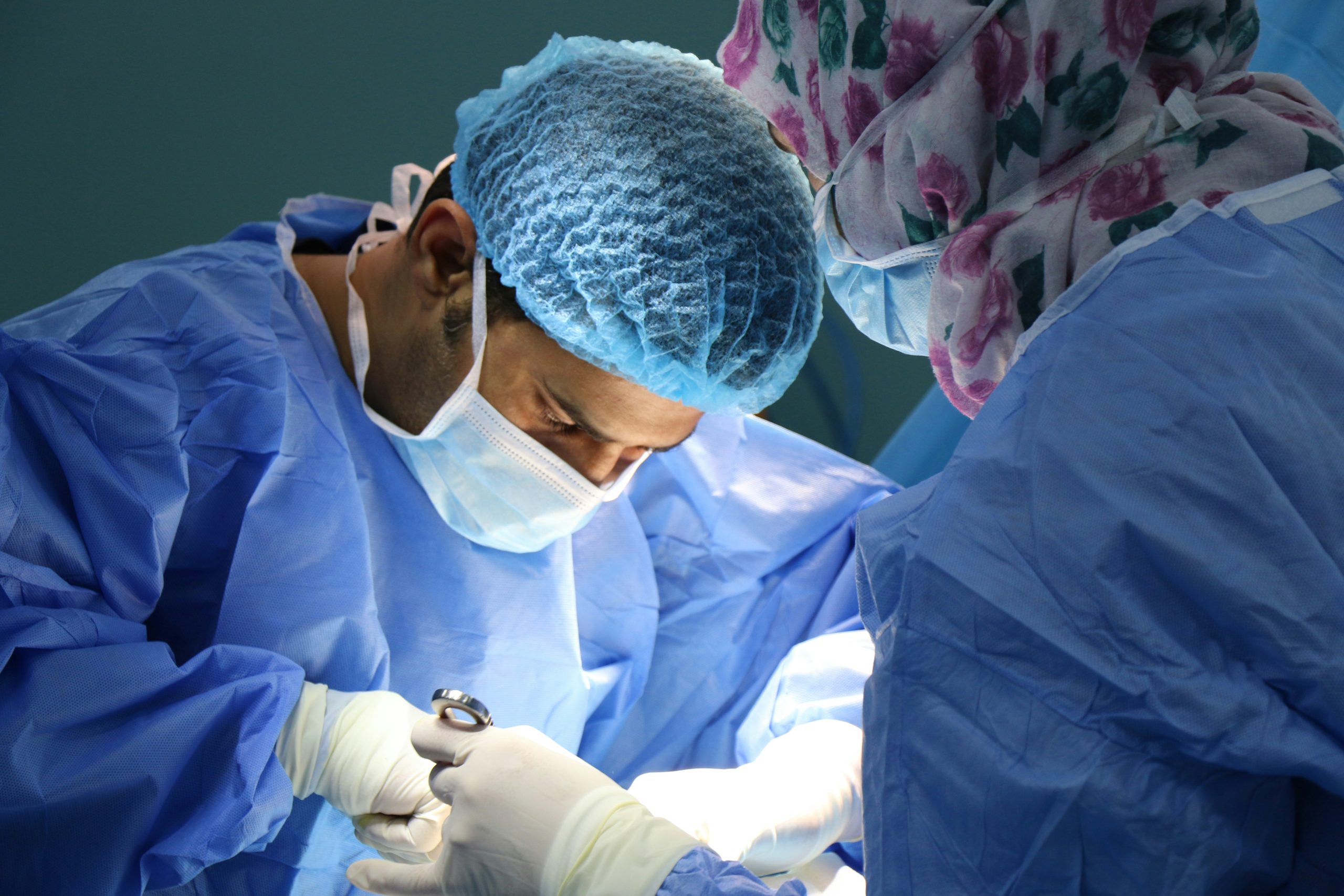
Many long-term patients don’t come right out and ask about regaining weight. Instead, they often broach the subject at the end of an appointment, and are hesitant to do so because they’re ashamed or embarrassed and fear being scolded. What they usually find is a frank conversation about what’s a very common, very understandable, and in most cases treatable, problem.
Bariatric surgery is one of the best and most effective treatments for obesity. However, obesity is a chronic, recurrent disease and the operation does not permanently change the biology. Learning what causes weight regain, when is it a concern, and what help is available can take much of the fear and guilt away.
Normal to Regain Some
The majority of people will reach their lowest weight between 12 to 24 months after the operation. It is usual to regain some weight, to a limited extent, in the years following this.
A gain of a few kilos from the lowest weight is not a failure of the operation. The body has started to stabilize. Most patients who regain some weight (a few kilos) will still have lost most of their excess weight and will still have some or all of the health benefits (better blood sugar levels, lower blood pressure, better breathing, less joint pain).
The more relevant question is not “Have I put on weight?” but rather “Is this weight gain consistent, substantial and unhealthy?”
Why Does Weight Regain Happen
Most of the time when you put weight back on, that doesn’t happen for one reason but a combination of factors adding up.
The Body’s Defense Mechanism Against Weight Loss
With weight loss the body responds physically as well. Metabolism drops more than it should for the new body size. A change in the hunger signals occurs that causes the brain to want to regain what has been lost. This is not weakness, it’s biology, and is the same process that makes regaining weight so common after any weight loss.
Resurgence of Hunger
The dramatic effect on appetite suppression that often occurs during the first year after surgery starts to wear off. Hormone levels plateau and return to normal, and many patients describe feelings of real hunger around year two. If the absence of hunger was what kept you from eating too much before your surgery, you may not appreciate this development.
Habits Rather Than Stomach Size
“Some people will be concerned that their stomach has ‘stretched’. It is true the sleeve or pouch softens with time and allows more food to be consumed three years after surgery than three months after. That is to be anticipated. In many cases the physical alterations to the anatomy are minimal and most of the changes are likely to be of eating patterns – portions may increase slowly – meals may become rushed – protein focus may change to the easiest and most frequently eaten foods. These are all small changes”.
Grazing Behavior
Even if it is a small stomach, it will not limit the frequency of eating. Regular small snack of biscuits, crisps, or chips, leftovers can accumulate a large amount of calories without feeling full. Grazing is an example of a behaviour which the patient may display after weight regain.
Consumption of Liquid Calories
Liquids also travel through a sleeve or bypass pouch without offering the same feeling of fullness as solid foods. Drinks such as soda, juice, flavored milk, sweetened coffee, smoothies and alcohol can undo much of the hard work. Particular emphasis should be placed on alcohol, as it is absorbed faster post-surgery and can be more potent and thus can become more problematic than before surgery.
Mental health and emotional eating
Surgery changes the shape of the stomach but it doesn’t change your history. Stress, grief, anxiety, depression, trauma and boredom remain after surgery. If you used food as a tool to cope and manage prior to surgery, those sabotaging influences will likely re-emerge as the stimulation from the initial post-operative period subsides. Major life events such as divorce, divorce, job loss, or caring for elderly family members may also challenge you.
Reduced Utilization of Follow Up Care
Most patients will still be seen regularly in the year after the operation but by the third or fourth year most patients will have stopped attending their appointments and this is the time when you need the support the most as the effects of the surgery wear off.
Effect of Drugs and Stages of Life
Some medications can cause weight gain such as some antidepressants, antipsychotics, steroids, insulin and some anti-epileptics. Changes in weight can also result from pregnancy, menopause or disorders of the thyroid gland. People should never stop any medication or change the dose without medical supervision, but it may be worth talking to a doctor about any medication that could affect weight.
Reduced Physical Activity
Injury, chronic pain, long work hours, or just a general lack of motivation can all cause you to move less. Less activity can even cause you to lose some muscle over time and, ultimately, muscle is the driver of expenditure.
When Is Weight Regain a Red Flag?
Although a single weight regain level cannot be used for all, every person should contact the bariatric team or their own doctor if they experience any of the following:
- Much of the weight you have lost has been regained or there has been a steady increase over time on the scales.
- Health conditions that had been managed before, such as diabetes, high blood pressure or sleep apnea, are returning.
- Frequency of eating and factors of satiety. Portion sizes may increase without evidence of satiation.
- The person experiences different or novel symptoms such as reflux, pain, or vomiting.
- Your eating habits start to spin out of control, be secretive, or become guilt-ridden.
- Depressed and food becomes the main way of coping.
Intervene early, treat for a few kgs rather than a kg or more.
What a Typical Assessment Is Usually Like
A good assessment doesn’t put people in the dock, but attempts to understand the problem. A complete assessment will typically comprise:
- A comprehensive record of weight fluctuation, food intake, drinks consumed, physical activities, sleep patterns and stress levels since the operation.
- A dietary review conducted by a registered dietitian to review your eating habits on a daily basis, including what and how you eat, how you snack, fluid intake and protein.
- A diagnostic psychological evaluation to determine problems with depression, anxiety, binge eating disorder, or other eating disorders.
- Laboratory tests including blood testing to assess thyroid function, blood sugar, levels of iron, vitamin B12, vitamin D and other nutrients.
- A professional medication review completed in conjunction with the patient’s general practitioner or specialist.
- Imaging tests or a gastroscopy, if needed, to determine if the sleeve has dilated or if there are any changes in the bypass pouch or the anatomy.
The last step is not usually indicated to everyone, unless there has been a dramatic change in gastric capacity or other indications such as new reflux.
What Can Be Done
Which intervention strategy will be used is going to be determined by the assessment. However, most people will benefit from a mixture of intervention strategies.
Getting Back to Basics
Working with a dietitian can help you ease back into a more structured eating plan. This may look like three protein-centric meals, a handful of small snacks throughout the day, slower eating, and consuming liquids separately from solid foods. Sounds pretty simple, right? But when this plan is executed consistently with the proper support, it can often go even better than you expect.
Psychological Support
Many may even find benefit in some sort of psychological support. A psychologist who specializes in bariatrics and can help on everything from emotional eating to grazing to binge eating and those feelings of shame that often come along with regain. Those can ask their GP about access to a mental health treatment plan that can reduce the financial implications of therapy.
Purposeful Exercise
Exercise is effective at helping to stop further weight regain; in particular, strength training is excellent for limiting muscle loss. An exercise physiologist can design an exercise program around any injuries, pain or fitness restrictions.
Fixing What the Blood Tests Find
Treatment of an underactive thyroid, iron deficiency or other underlying health issues is generally unlikely to promote significant weight loss. However, it may boost your energy levels and support your ability to stick to a weight management program.
Anti-Obesity Medications
There is a wide range of anti-obesity drugs. Medical treatment, including GLP-1 drugs, can make you feel less hungry and help you control weight regain after surgery. These drugs are not a solution for everyone but they are very expensive and come with some serious risks, so need to be closely followed-up. However, they are a valid option to be discussed with a doctor, alongside dietary and psychological care.
Revision Surgery, for Selected Individuals
Sometimes a second operation will be necessary such as converting a sleeve gastrectomy into a gastric bypass, particularly in the presence of bad gastroesophageal reflux disease. Revision surgery involves higher risk operations and should be only considered after a careful evaluation, trial of other solutions and only for proven anatomical problems. It is not simply a quick surgical fix.
The Bottom Line
Weight regain post-bariatric surgery is not a reflection on you or your surgery. It simply means that you have developed a chronic disease that will need to be managed for life, just like diabetes or high blood pressure.
If weight gain does take place, don’t be afraid to ask your healthcare team for help. The sooner you ask for assistance, the better; and if you honestly let your provider know what is happening to you, the better your treatment plan will be. Studies show that patients who ask for help tend to do better over time than those who do not.
This article is for information only. Please refer to your own general practitioner or bariatric team before making any changes to your medication or treatment plan or when changing your diet.











Leave a Reply