

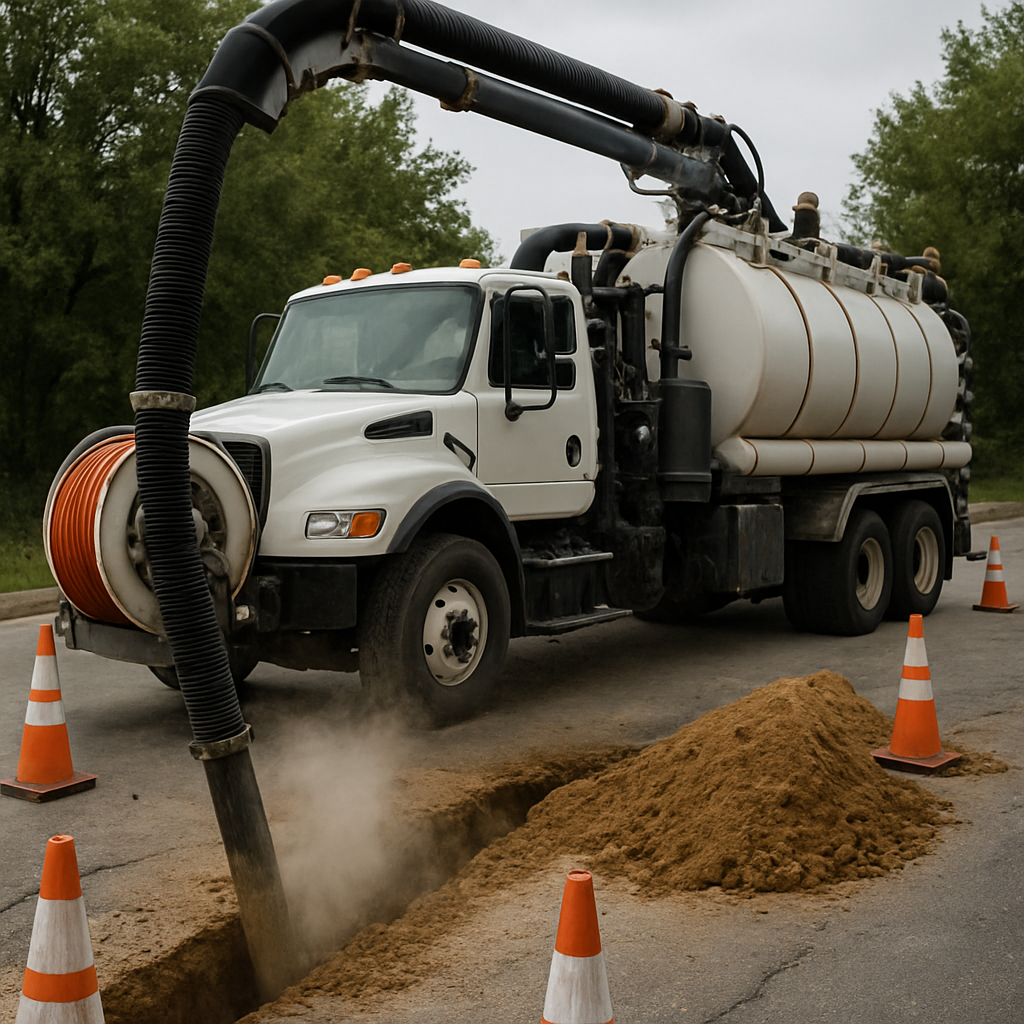
In recent years, hydro excavation has emerged as a safer and more efficient alternative to traditional digging methods. Utilizing a combination of high-pressure water and a vacuum system, hydro excavation effectively breaks up soil and removes it with precision.
This advanced method offers numerous safety advantages, which is why it’s becoming increasingly popular in the construction and utility sectors.
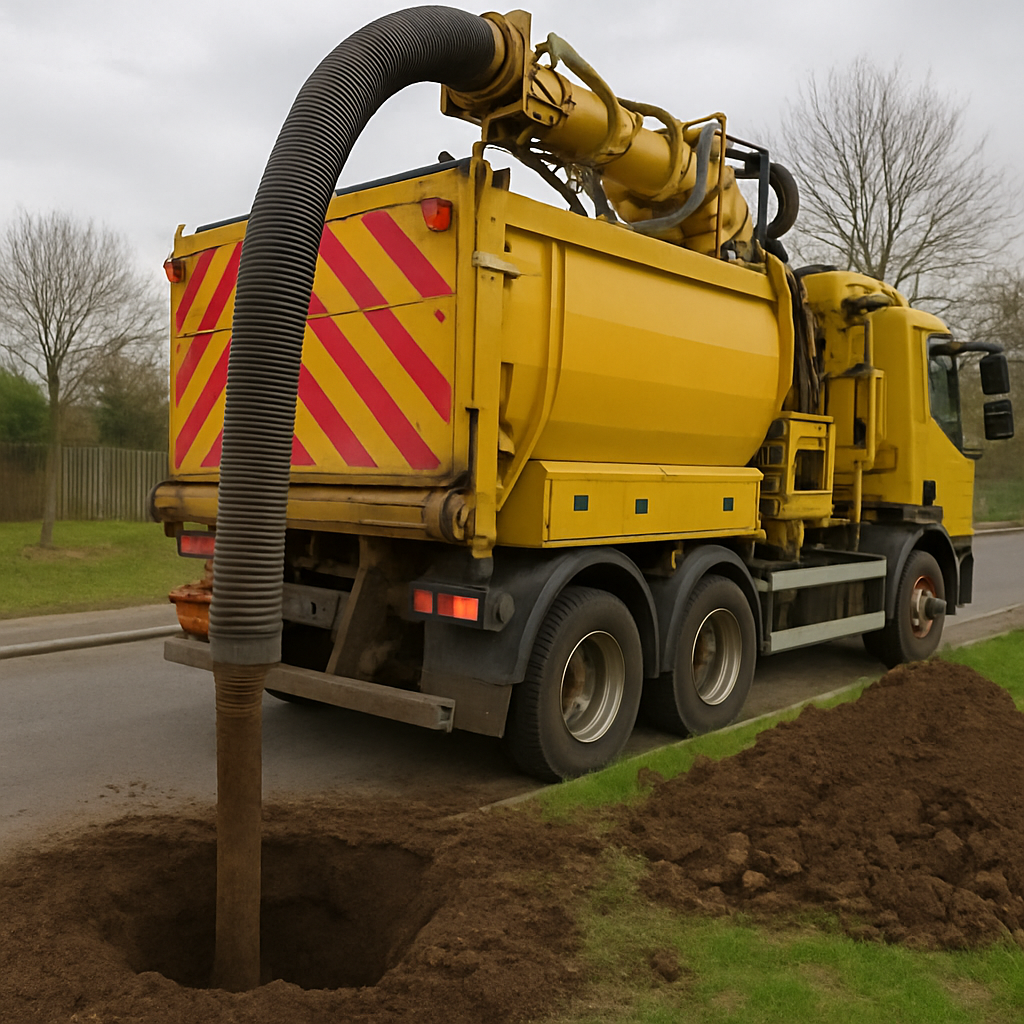
It involves the use of a specialized hydro excavation truck, equipped with a high-pressure water hose and a powerful vacuum. The process begins when the water hose is used to break apart the soil. Then, the vacuum system sucks up the slurry of water and soil into a debris tank for disposal or reuse.
This method is particularly useful for tasks such as piling hole digging, trenching, and daylighting. But what sets hydro excavation apart is its ability to improve safety on the job site.
Enhancing Safety with Precision and Control
Minimizing Utility Strikes
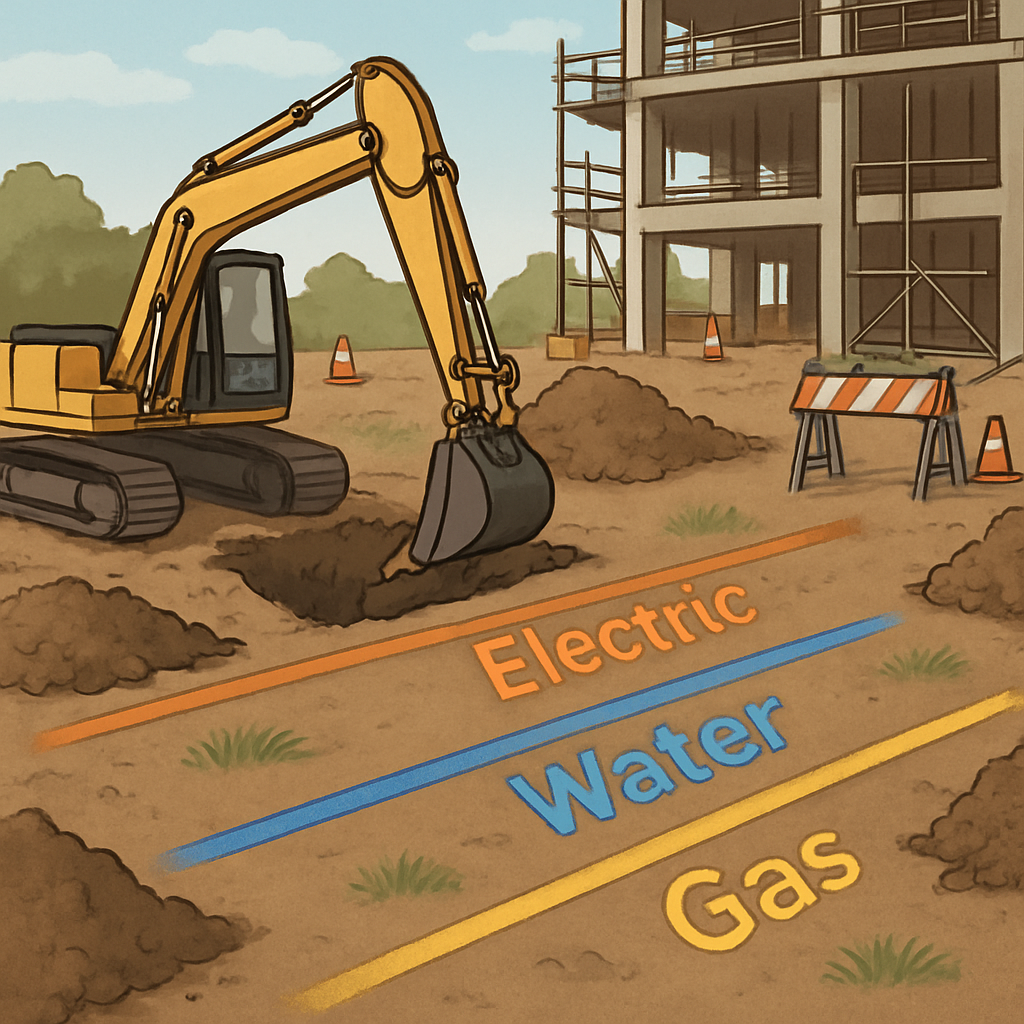
One of the primary safety concerns in excavation is the risk of damaging underground utilities such as gas lines, water pipes, and electrical cables. Traditional digging methods can inadvertently strike these utilities, leading to dangerous situations and costly repairs. Hydro excavation provides a solution by allowing workers to dig with precision and control. The high-pressure water can accurately expose utilities without causing damage, significantly reducing the risk of utility strikes.
Reducing Worker Injury
Traditional excavation methods often require manual labor, which can lead to physical strain and injury. Hydro excavation reduces the need for manual digging, thereby minimizing the risk of musculoskeletal injuries among workers. By relying on machines to do the heavy lifting, workers can focus on operating equipment safely from a distance.
Lowering the Risk of Cave-Ins
Soil stability is a critical factor in excavation safety. Unstable soil can lead to dangerous cave-ins, posing a significant risk to workers. This excavation minimizes this risk by reducing the amount of soil disturbed during the digging process. The precision of hydro excavation ensures that only the necessary amount of soil is removed, maintaining the integrity of the surrounding area and reducing the likelihood of cave-ins.
Environmental Benefits
Hydro excavation not only improves safety but also offers environmental advantages. Traditional excavation methods can cause extensive damage to the surrounding environment, disturbing plant life and soil structure. In contrast, hydro excavation is a non-destructive process that minimizes environmental impact. The controlled use of water and vacuum reduces the risk of soil erosion and preserves the natural landscape.
Waste Management
The slurry of water and soil collected during hydro excavation can be easily transported and disposed of responsibly. This efficient waste management system prevents contamination and reduces the environmental footprint of excavation projects.
Applications of Hydro Excavation
Piling Hole Digging
It is particularly useful for piling hole digging, where precision and safety are paramount. The ability to create clean, accurate holes without disturbing surrounding areas makes it ideal for this application.
Utility Line Installation and Repair
Hydro excavation is frequently used for installing and repairing utility lines. Its precision and ability to safely expose existing utilities make it a preferred method for utility companies.
Cold Weather Excavation
In cold climates, traditional excavation methods can be challenging due to frozen ground. Hydro excavation is effective in these conditions, as the high-pressure water can break through frozen soil without damaging equipment or causing delays.
Choosing the Right Hydro Excavation Truck
Selecting the appropriate hydro excavation truck is crucial for maximizing safety and efficiency. Factors to consider include the capacity of the debris tank, the power of the vacuum system, and the reach of the water hose. Ensuring that the equipment is well-maintained and operated by trained professionals is also essential for safe operations.
Training and Safety Protocols
Implementing excavation on a job site requires proper training and adherence to safety protocols. Workers should be trained in operating hydro excavation equipment, understanding soil conditions, and recognizing potential hazards. Regular safety audits and equipment inspections can further enhance safety standards.
Conclusion
Hydro excavation is revolutionizing the excavation industry by improving safety standards and offering a more environmentally friendly alternative to traditional methods. Its precision, efficiency, and ability to minimize risks make it an ideal choice for various applications, from piling hole digging to utility line installation. By prioritizing safety and environmental responsibility, hydro excavation is setting a new standard for excavation practices.
As the demand for safer and more efficient excavation methods continues to grow, hydro excavation stands out as a leading solution for modern construction and utility projects. Whether you are involved in a large-scale construction project or a small utility repair, hydro excavation offers the benefits of enhanced safety, environmental protection, and operational efficiency.





Leave a Reply