

Non-Destructive Digging
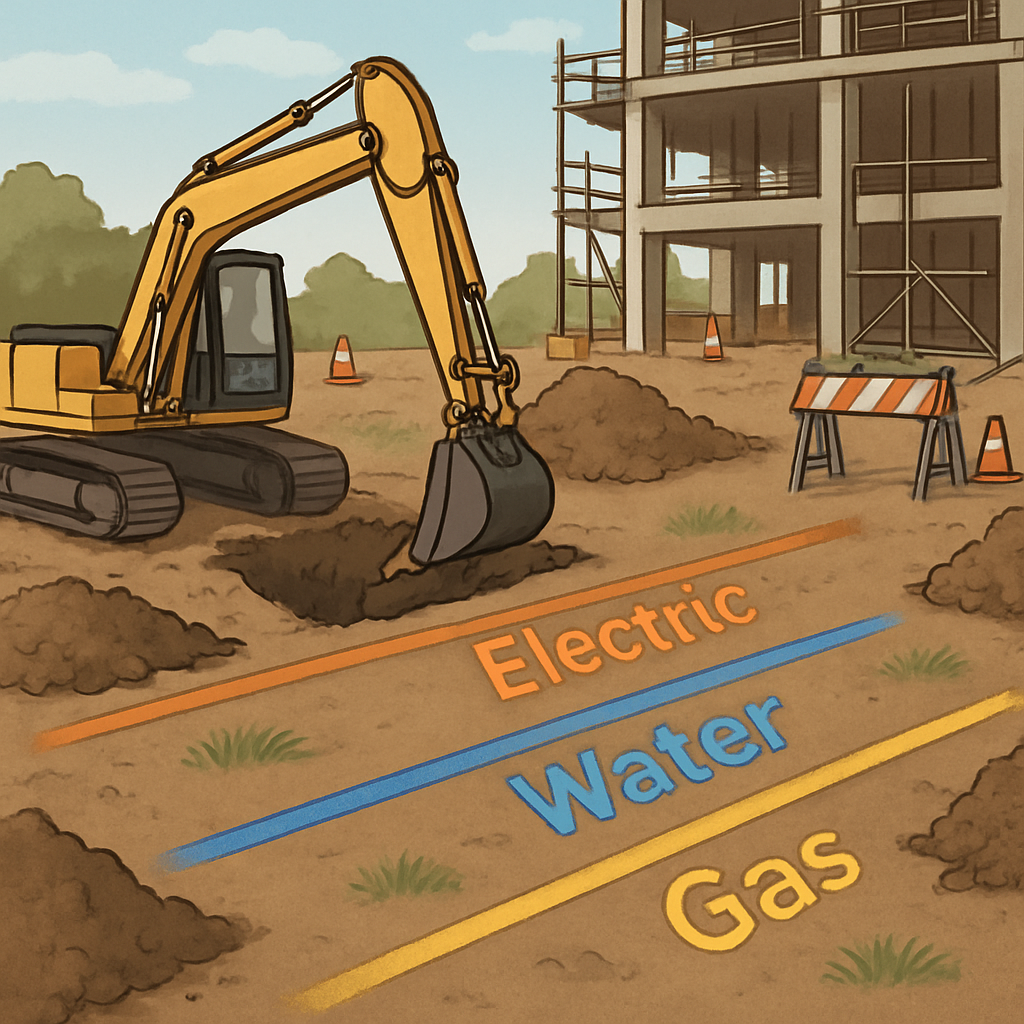
Brisbane roads never sit still. Traffic pours through the suburbs, pedestrians crowd the footpaths, and deadlines don’t budge for anyone. Then you’ve got the part nobody can see: a tangled maze of power, water, gas, and communications running right under the work zone.
That’s a lot to manage on any roadworks job.
Hit the wrong asset with a mechanical bucket and the whole site grinds to a halt. Repair bills stack up. Traffic backs up. Safety investigations kick off. And your carefully planned timeline goes out the window.
Here’s the good news. There’s a safer, smarter way to dig around all that buried infrastructure, and it’s called non-destructive digging!
In this guide, you’ll learn what non-destructive digging is, how it works, why it matters so much for Brisbane roadworks, and how to pick the right crew for the job. By the end, you’ll know exactly when it’s the smart call and how it keeps your project safe, on time, and under control.
NDD for Roadworks: Quick Answers
| Question | Answer |
|---|---|
| What is non-destructive digging? | A controlled excavation method that uses water and vacuum extraction rather than conventional mechanical digging. |
| Why is NDD used for roadworks? | To expose, locate and verify underground services while limiting mechanical disturbance around buried assets. |
| What underground services can be exposed? | Electrical, telecommunications, fibre, gas, water, sewer and other buried utilities. |
| What is potholing? | A targeted excavation used to physically expose and confirm the location, depth and characteristics of an underground service. |
| Is NDD the same as hydro excavation? | The terms are closely related. Queensland Government refers to vacuum excavation as non-destructive drilling or hydro excavation. |
| Where is NDD used? | Road construction, road upgrades, drainage, utility works, service connections, maintenance and infrastructure projects. |
| Who uses NDD? | Civil contractors, road contractors, councils, utility contractors and infrastructure project teams. |
What Is Non-Destructive Digging?
Non-destructive digging is a safe way to dig that doesn’t rely on steel blades or crushing force.
The most common method is hydro excavation. It uses high-pressure water and a powerful vacuum to remove soil gently. The water breaks up the ground, the vacuum sucks the slurry into a tank on the truck, and anything buried down there stays completely untouched.
That’s the whole idea!
People also call it “NDD” or “soft digging,” and both names tell you why crews love it. You get the hole you need without slamming a bucket into a live power cable or a water main.
Think of it like a super-strong water gun paired with a giant vacuum cleaner. The water loosens the dirt, the vacuum tidies it away, and the pipes and cables underneath stay safe and sound.
Simple, precise, and safe.
How Hydro Excavation Works, Step by Step
The whole job runs off a specialised truck. Here’s how a typical dig goes on a Brisbane worksite.
Step one: locate the services. Before any water touches the ground, the crew maps what’s underneath using cable and pipe locators. This shows exactly where the danger zones sit.
Step two: set up the gear. The truck arrives with its water tank, pump, vacuum system, and debris tank all on board. The operator gets the hoses ready.
Step three: blast and vacuum. The high-pressure water cuts into the soil while the vacuum hose lifts the slurry straight into the tank. The operator works carefully, watching for pipes and cables as the hole opens up.
Step four: clean finish. Once the dig’s done, the site’s left tidy. No giant spoil piles spread across a busy road. The debris goes off for proper disposal.
That control is exactly what you want in a tight urban environment.
NDD Roadworks Process
| Step | NDD roadworks process | Purpose |
|---|---|---|
| 1 | Review site information | Understand the proposed excavation and known underground assets |
| 2 | Obtain current service information | Identify underground services that may be affected |
| 3 | Plan the excavation | Determine where targeted NDD or potholing is required |
| 4 | Establish site controls | Set up the required work area, traffic and safety controls |
| 5 | Locate and mark services | Establish the expected service alignment |
| 6 | Pothole or expose services | Use controlled excavation to physically confirm the asset |
| 7 | Record location and depth | Document verified service information |
| 8 | Complete required excavation | Continue roadworks based on the confirmed site information |
| 9 | Manage excavated material | Handle and dispose of drilling mud/spoil appropriately |
| 10 | Reinstate the area | Backfill and restore the excavation according to project requirements |
Why Mechanical Digging Is Risky on Brisbane Roads
Traditional digging uses excavators, augers, and blokes with shovels. It’s fast, sure. But it’s blunt.
A bucket doesn’t know the difference between clay and a gas main until it’s too late.
Non-destructive digging flips that around. The water and vacuum work with pinpoint control, so the crew can expose a live service without so much as scratching it. That difference matters most in places like Brisbane, where the ground under a single intersection can hold power, water, gas, telco, and drainage all at once.
Old-school digging is like swinging a hammer blind. Non-destructive digging is like using tweezers with the lights on.
NDD vs Hydro Excavation vs Vacuum Excavation
| Term | Meaning | Relationship |
|---|---|---|
| Non-Destructive Digging (NDD) | A method of excavation designed to minimise mechanical disturbance around sensitive areas and underground assets | Broad industry term |
| Hydro Excavation | Uses pressurised water to break up soil, with vacuum extraction removing the slurry | Common NDD method |
| Vacuum Excavation | Uses vacuum extraction to remove loosened soil and debris | Commonly used for NDD |
| Potholing | Targeted excavation to expose and verify an underground asset | A specific NDD application |
| Hydro Vacuum Excavation | Combines water excavation with vacuum extraction | Common terminology for NDD equipment and services |
A Busy Suburban Roadworks Story
The following is a fictional example to show how this works in real life.
Meet a crew working a stretch of road out Coorparoo way. It’s a busy suburban strip with shops, a school nearby, and steady pedestrian traffic all day long. The plans show power and comms running right under the work zone.
The site supervisor knows a strike here would be a disaster. It’d cut power to the shops, stop the job cold, and put pedestrians and workers at risk right beside live traffic.
So the crew brings in non-destructive digging for the risky sections. They locate the services, then softly expose each one to confirm its exact depth and position. The team marks everything clearly and works around those points with total confidence.
The job stays safe, the shops keep their power, and the footpath stays open for the school run. No drama.
Brisbane Roadworks: Common NDD Projects
| Project type | Typical NDD requirement |
|---|---|
| Road widening | Underground service investigation |
| Road reconstruction | Service exposure and potholing |
| Intersection upgrades | Utility identification around proposed works |
| Drainage upgrades | Existing service verification |
| Footpath upgrades | Service locating before excavation |
| Kerb upgrades | Targeted exposure around utilities |
| Utility trenching | Service identification before trench excavation |
| Telecommunications projects | Fibre and communications service exposure |
| Water infrastructure | Existing pipe identification |
| Civil infrastructure | Underground asset verification |
A Drainage Upgrade Story
Another fictional example, this time on a bigger job.
Now picture a civil team on a drainage upgrade in an older Brisbane suburb. The existing service records are patchy, and nobody’s fully sure where the old pipes and cables sit.
Guessing with an excavator would be a gamble. One wrong dig and they’re up for expensive repairs, a stopped site, and a safety investigation.
Instead, the team potholes with hydro excavation to expose each utility before the main dig starts. They confirm exactly what’s down there and how deep it runs.
The drainage work then goes ahead cleanly, right on schedule. No strikes. No surprises. No penalties.
That’s the payoff of digging smart.
Why Non-Destructive Digging Matters for Brisbane Roadworks
Brisbane throws up its own challenges. We’ve got congested underground corridors, heavy traffic, wet seasons that turn sites to mud, and plenty of ageing infrastructure with records that don’t always match reality.
Here’s what non-destructive digging gives your roadworks project.
Safety first. Gas and power lines are dangerous to hit, especially beside live traffic and crowded footpaths. Water jets don’t slice through cables the way a bucket does, so the risk of a serious incident drops right down.
Pinpoint precision. You can expose a service exactly where you need it, with no guesswork.
Less service damage. Fewer strikes means fewer repairs, fewer fines, and fewer angry calls from the utility company.
Less disruption. Roads keep flowing. Businesses keep their power and internet. Pedestrians stay safe. Your project keeps rolling.
Better compliance. Careful locating and safe digging help you meet safety and site requirements with confidence.
Cleaner worksites. The vacuum keeps spoil contained in the tank, so the road and footpath stay tidy in a public space.
Fewer delays. Avoiding a strike keeps your timeline intact and your budget on track.
Common Roadworks Use Cases
Non-destructive digging earns its keep across all sorts of roadworks jobs around Brisbane.
- Potholing to confirm the depth and location of buried services
- Trenching for new pipes and cables
- Exposing utilities before major works begin
- Drainage works in built-up areas
- Signal and lighting installations at intersections and along roads
- Communications upgrades, including NBN and telco work
- Work near sensitive or unknown assets, like gas mains and high-voltage cables
Wherever there’s a risk of hitting something buried, this method is the safe choice.
What to Look For When Hiring a Non-Destructive Digging Service in Brisbane
Not every crew’s the same. Here’s what to check before you sign anything.
Experience. Ask how long they’ve worked in non-destructive digging and what roadworks jobs they’ve handled. A seasoned crew spots problems before they start.
Local roadworks knowledge. Brisbane’s underground layout, traffic flow, and site conditions all shape a job. A crew that knows the local picture will plan it better.
Traffic management awareness. Roadside work needs a solid grasp of traffic control, signage, and keeping the public safe. Ask how they handle it.
Strong safety systems. Ask about their approach to locating services, site assessments, and hazard management. Good crews take safety seriously and can prove it.
Proper insurance. Make sure they carry the right cover. It protects you if something goes wrong.
Operator skill. The person on the hose makes all the difference. Well-trained operators work with care and read a site well.
Reliable equipment. Clean, modern, well-maintained gear is a good sign. Dodgy equipment leads to dodgy results.
Clear communication. You want a team that explains the plan, keeps you posted, and answers your questions without the runaround.
Tick those boxes and you’re in safe hands.
The Bottom Line
Digging blind under a busy Brisbane road is a gamble you don’t need to take. When there’s power, water, gas, or comms below the surface, non-destructive digging gives you a safe, precise, low-disruption way to get the job done right.
It’s the smart choice for potholing, trenching, drainage, signal and lighting work, communications upgrades, and any job where a strike would stop your site cold.
At Company Name, we’re a local Brisbane team that takes the guesswork out of digging. We’re happy to talk through your roadworks project, explain your options, and help you work out whether non-destructive digging is the right fit. No pressure, just honest advice from people who know the ground beneath your feet.
When you’re ready to dig safely, we’re here to help.
Frequently Asked Questions
What is non-destructive digging?
Put simply, it’s a way to dig without forcing a steel bucket into the ground and hoping for the best. The most common approach is hydro excavation — high-pressure water breaks up the soil while a powerful vacuum pulls the slurry into a tank on the truck. The ground opens up, the dirt goes away, and whatever’s buried underneath stays exactly where it is. You might also hear it called “NDD” or “soft digging.” Whatever the name, it’s the safest way to work around underground services on a Brisbane roadworks site.
How is it different from mechanical digging?
Mechanical digging — excavators, augers, shovels — gets the job done fast, but it’s not precise. A bucket just digs. It can’t sense a live gas main or a power cable hiding an inch below. Non-destructive digging gives operators real control, so they can carefully expose a pipe or cable without touching it. It’s the difference between tweezers and a sledgehammer, and on a busy Brisbane road, that distinction really matters.
Why does it matter so much for Brisbane roadworks?
Brisbane’s underground is genuinely chaotic in spots. Power, water, gas, telco, and drainage can all run through the same patch of ground, and the as-built records don’t always tell the full story. Non-destructive digging lets your crew find out exactly what’s down there before the real work starts. That knowledge keeps people safe, timelines on track, and budgets intact. One utility strike can unravel a whole project — this method helps make sure that doesn’t happen.
Does it really help avoid utility strikes?
It does, and that’s really the whole point. The crew locates the services first, then gently exposes each one to check its exact depth and position. Once everything’s marked up, your team can work around those known points without second-guessing anything. Fewer strikes means fewer repair bills, fewer regulatory headaches, and a much smoother job for everyone involved.
Does it work in tight, built-up areas?
It’s actually where it works best. The vacuum system keeps all the spoil contained in the tank, so there’s no pile of dirt spreading across a footpath or blocking a lane. The work is clean and contained, even right alongside shops, schools, and moving traffic. In congested Brisbane suburbs, that level of control makes a real difference to how safely and smoothly a job runs.
How does it affect traffic disruption?
Less than you’d expect. Because the digging is precise and the spoil goes straight into the truck, roads and footpaths can often stay open while the work’s happening. There’s no mess to clear, and businesses nearby keep their power and internet. A good crew will also have traffic management sorted, so the public stays safe and the job keeps moving without unnecessary hold-ups.
What types of roadworks jobs does it suit?
Quite a few, actually. It’s used regularly for:
- Potholing to find and confirm the depth of buried services
- Trenching for new pipes and cables
- Exposing utilities safely before major works begin
- Drainage upgrades in built-up areas
- Signal and lighting installations
- Communications and NBN work
- Digging near sensitive assets like gas mains and high-voltage cables
If there’s any chance of hitting something underground, this is the method that keeps everyone out of trouble.
Is non-destructive digging more expensive?
The hourly rate can look higher than hiring an excavator and operator, but that’s not the full picture. One utility strike can cost far more than any price difference — think repair bills, project delays, fines, and safety investigations. Non-destructive digging protects your services, your schedule, and your crew. When you add it all up, the safer option is usually the more affordable one too.
How long does a non-destructive digging job take?
Honestly, it depends. Depth, soil conditions, site access, and how many services need exposing all affect the time. A simple potholing job can wrap up quickly, while a longer trench or complex drainage work naturally takes more time. Wet weather or hard ground can add to that. The most reliable way to get a realistic timeframe is to have someone look at the site before they quote.
What should I look for in a Brisbane provider?
Start with experience — ask what roadworks jobs they’ve handled and how long they’ve been at it. Local knowledge matters here too, because Brisbane’s ground conditions and urban layout come with their own quirks. Check that they understand traffic management for public-facing sites, carry the right insurance, and use well-maintained equipment. And pay attention to how they communicate — a crew that keeps you in the loop and answers your questions straight is worth a lot on a busy site.





Leave a Reply